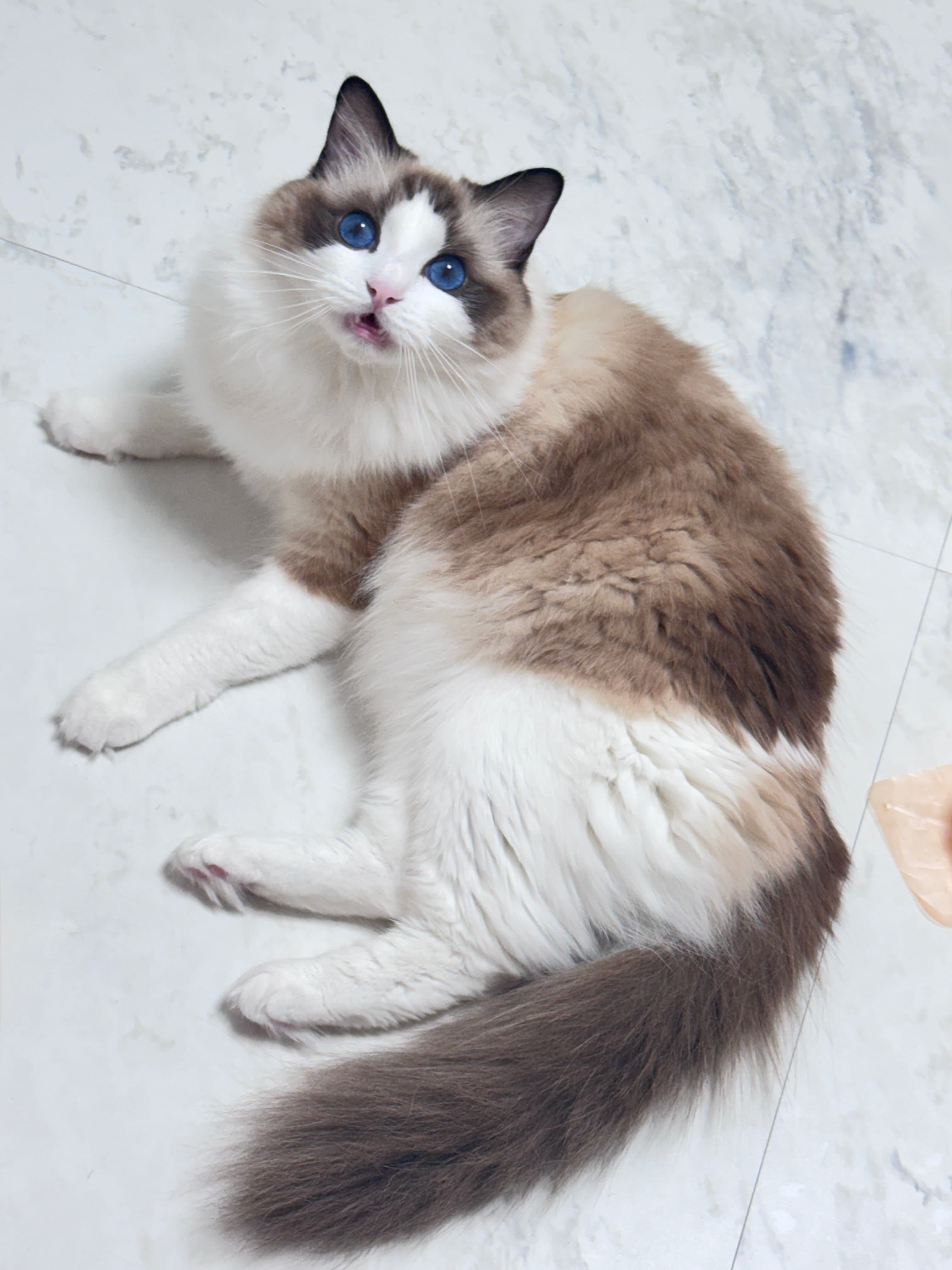
Ragdoll
A large, elegant cat breed known for its gentle and affectionate temperament, often following their owners around the house.
Origin
United States (1960s)
Size
Large
Weight
Female 8-15 lbs (3.6-6.8 kg) Male 12-20 lbs (5.4-9.1 kg)
Lifespan
13 - 18 years
Temperament
Temperament Traits
Key Characteristics
Appearance
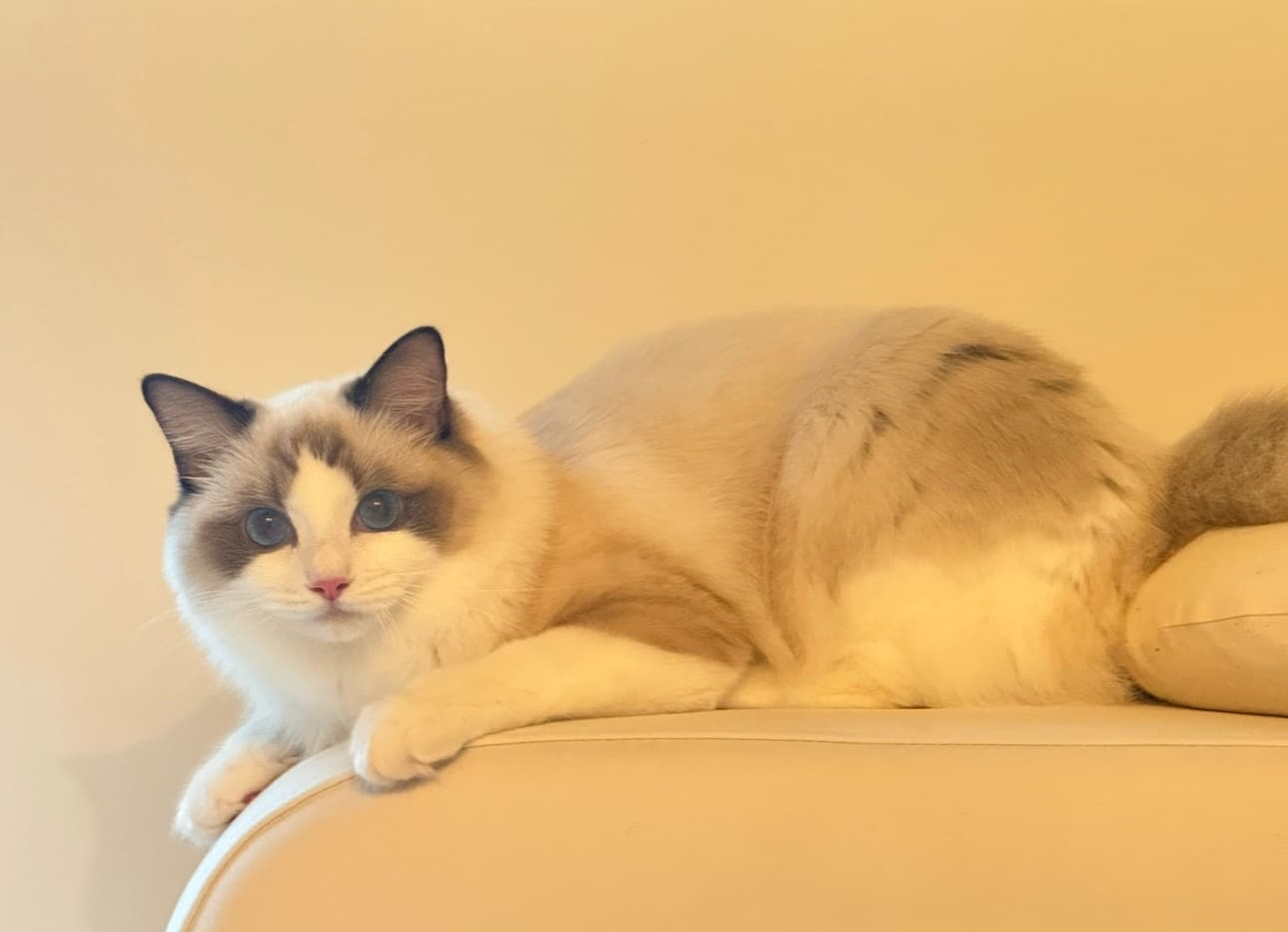
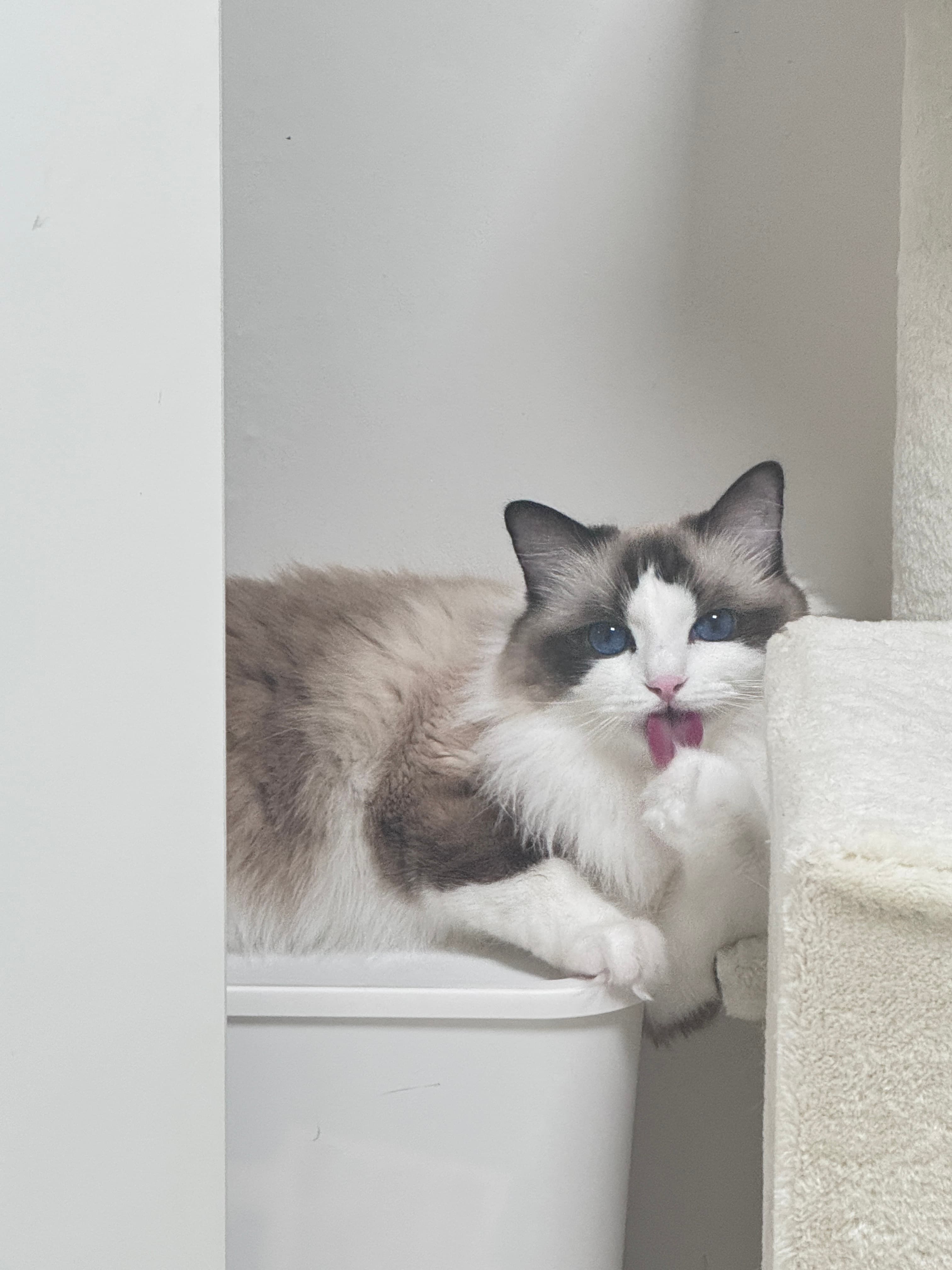
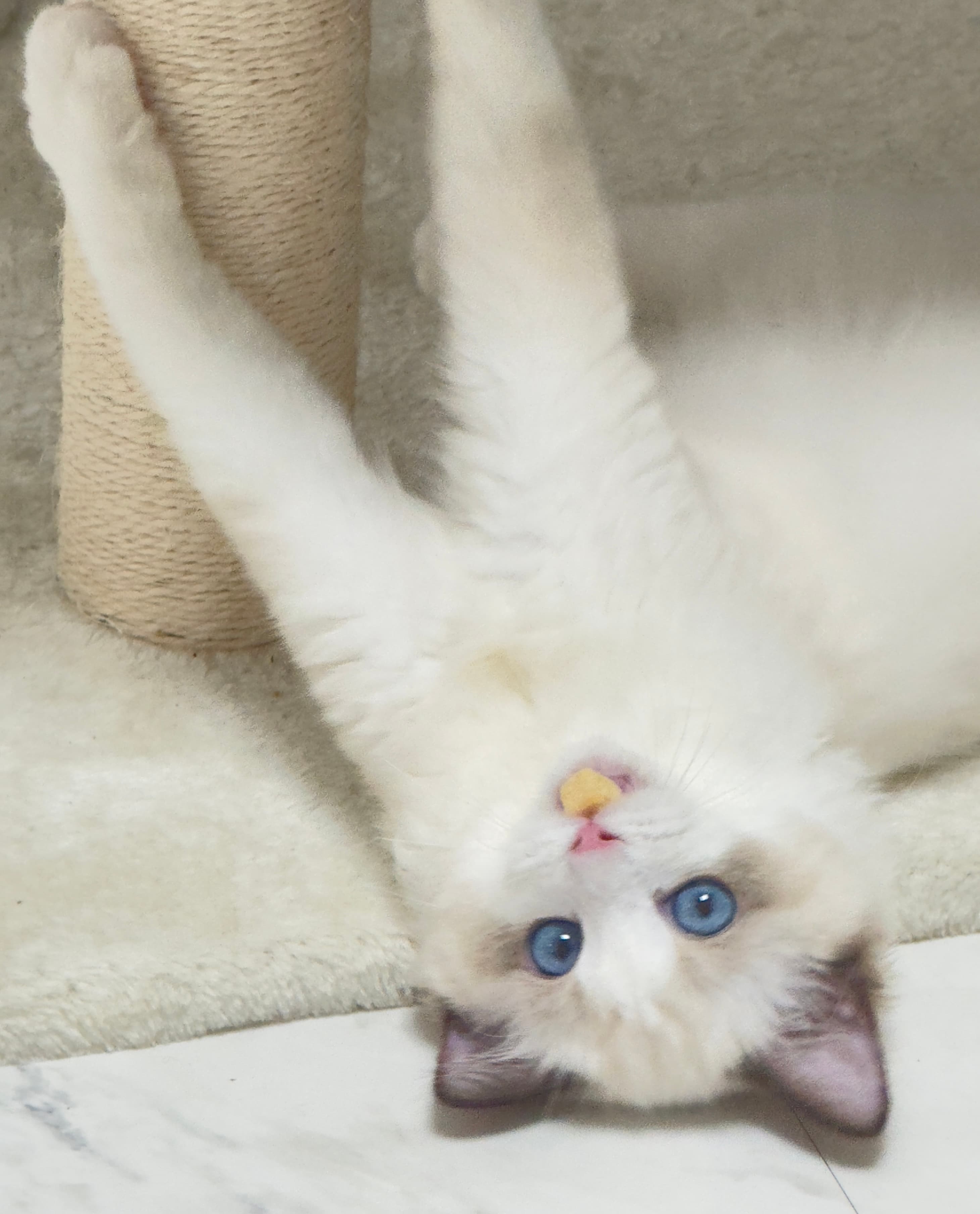
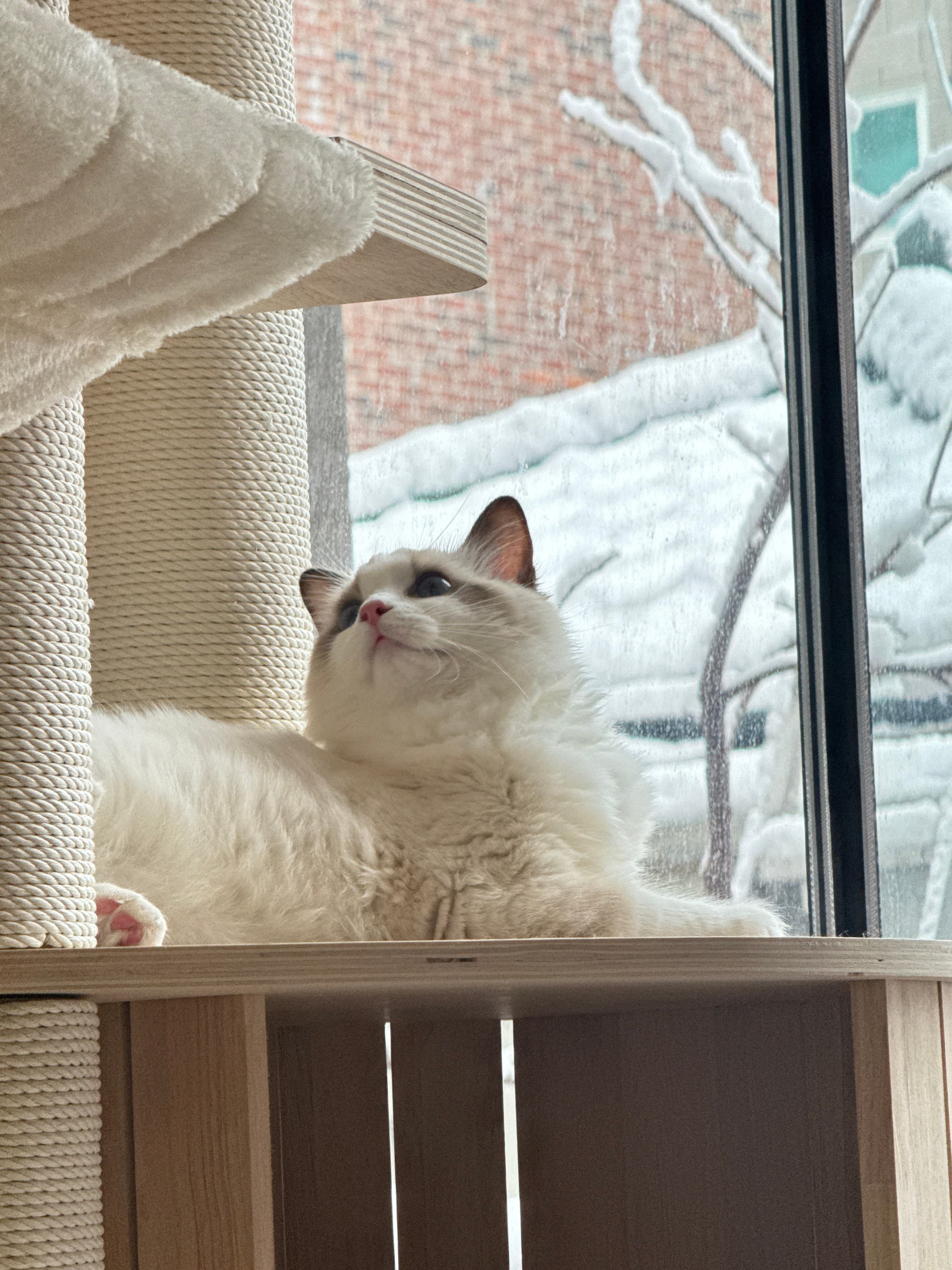
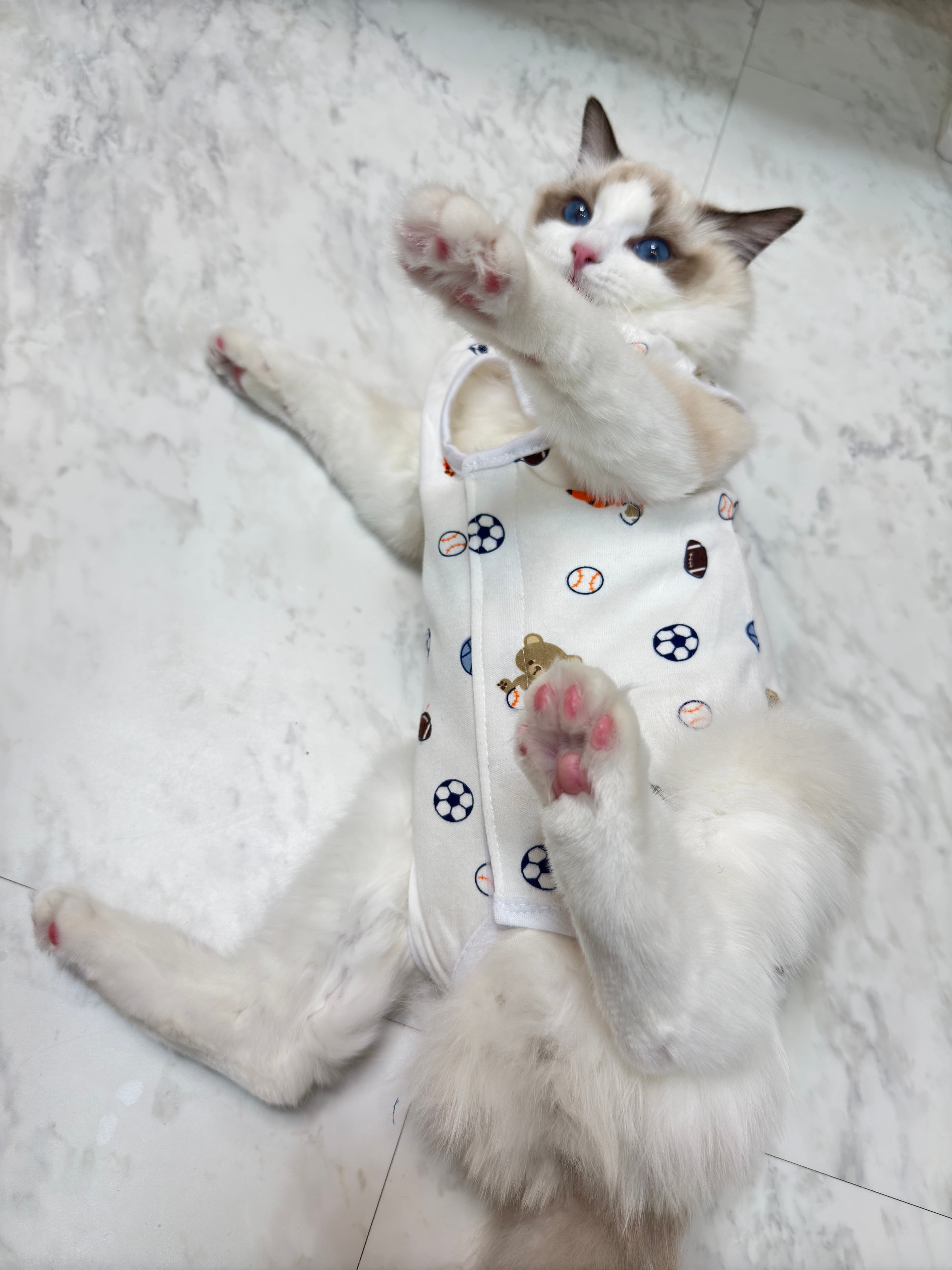
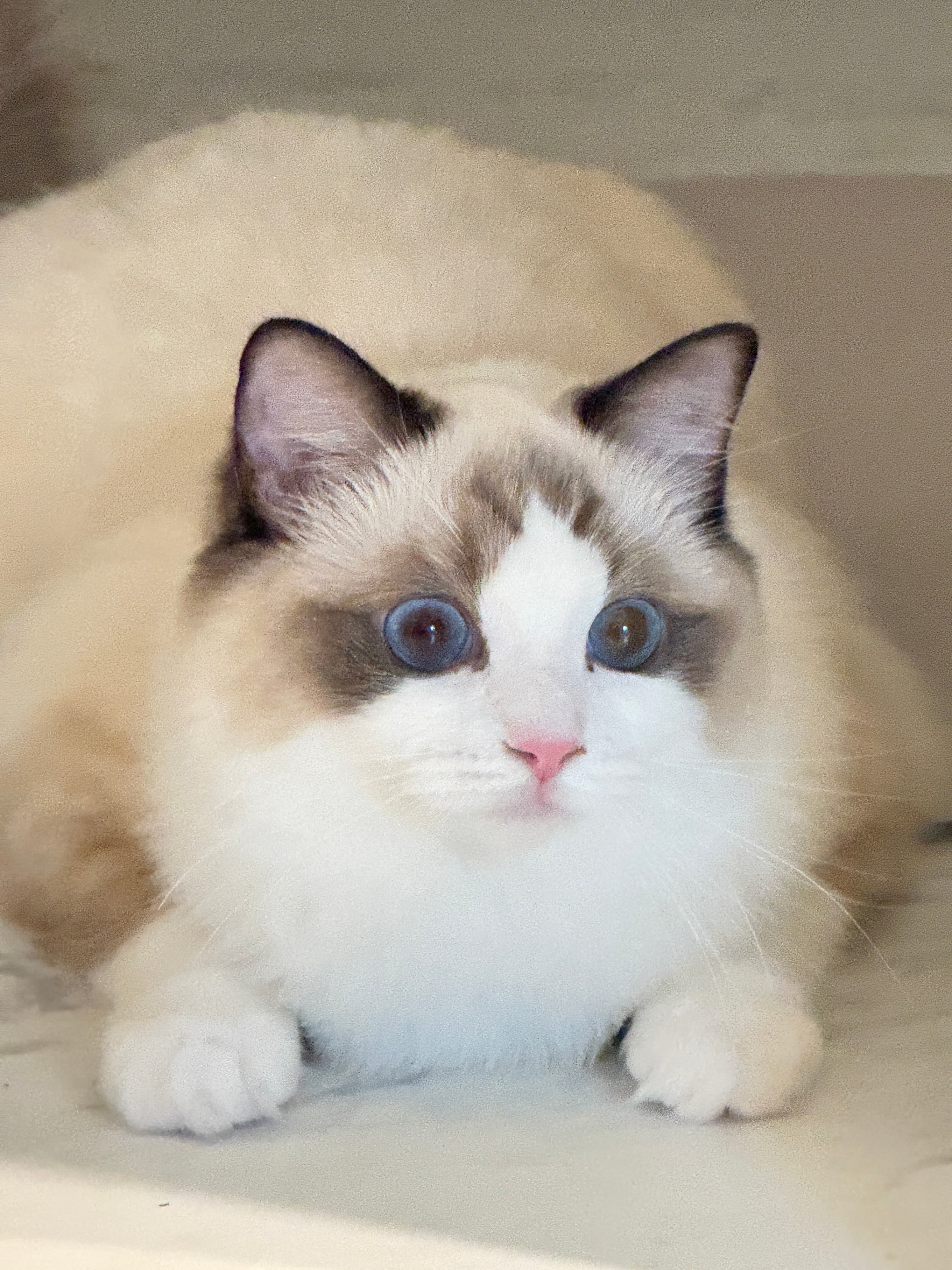
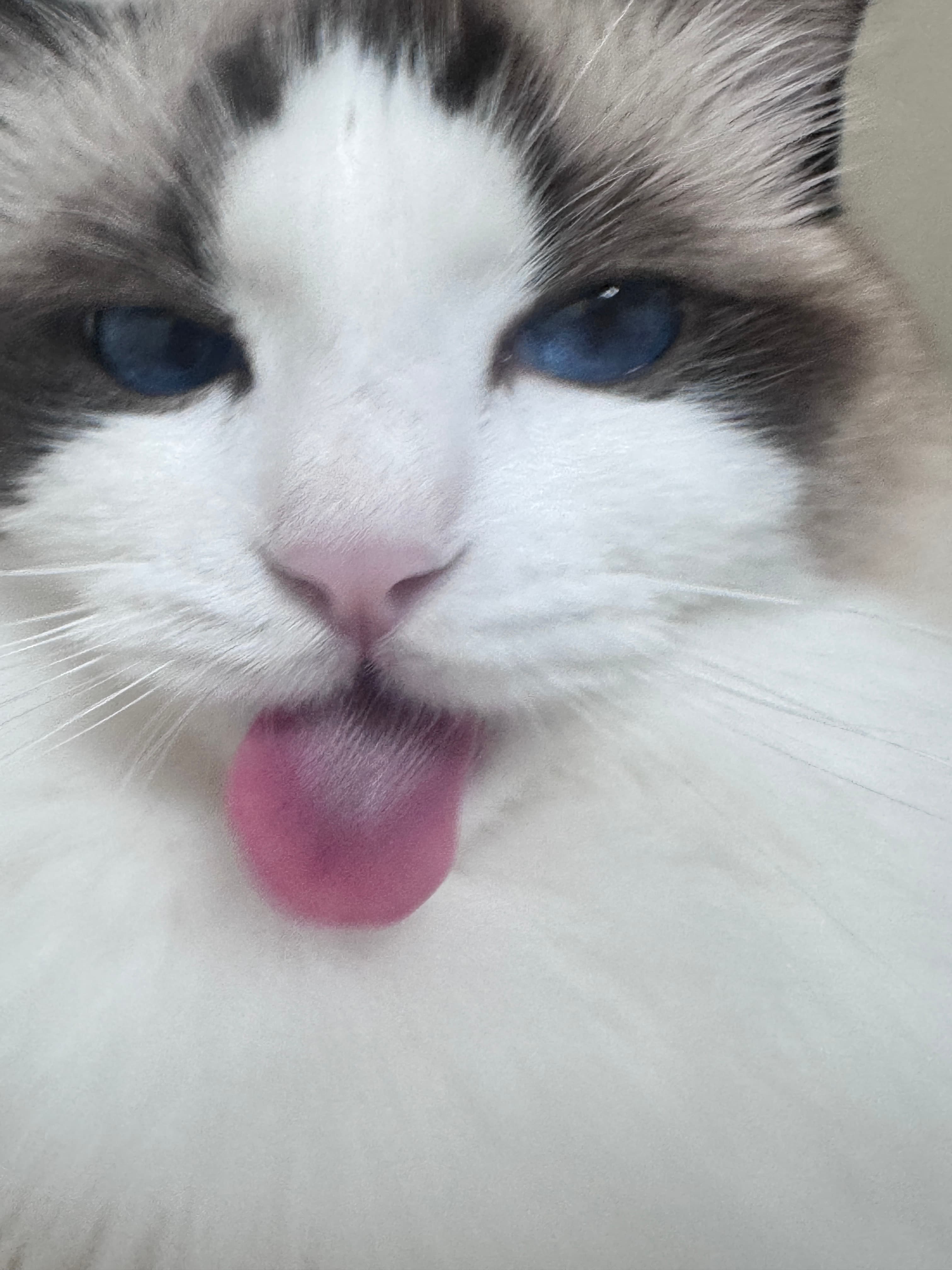
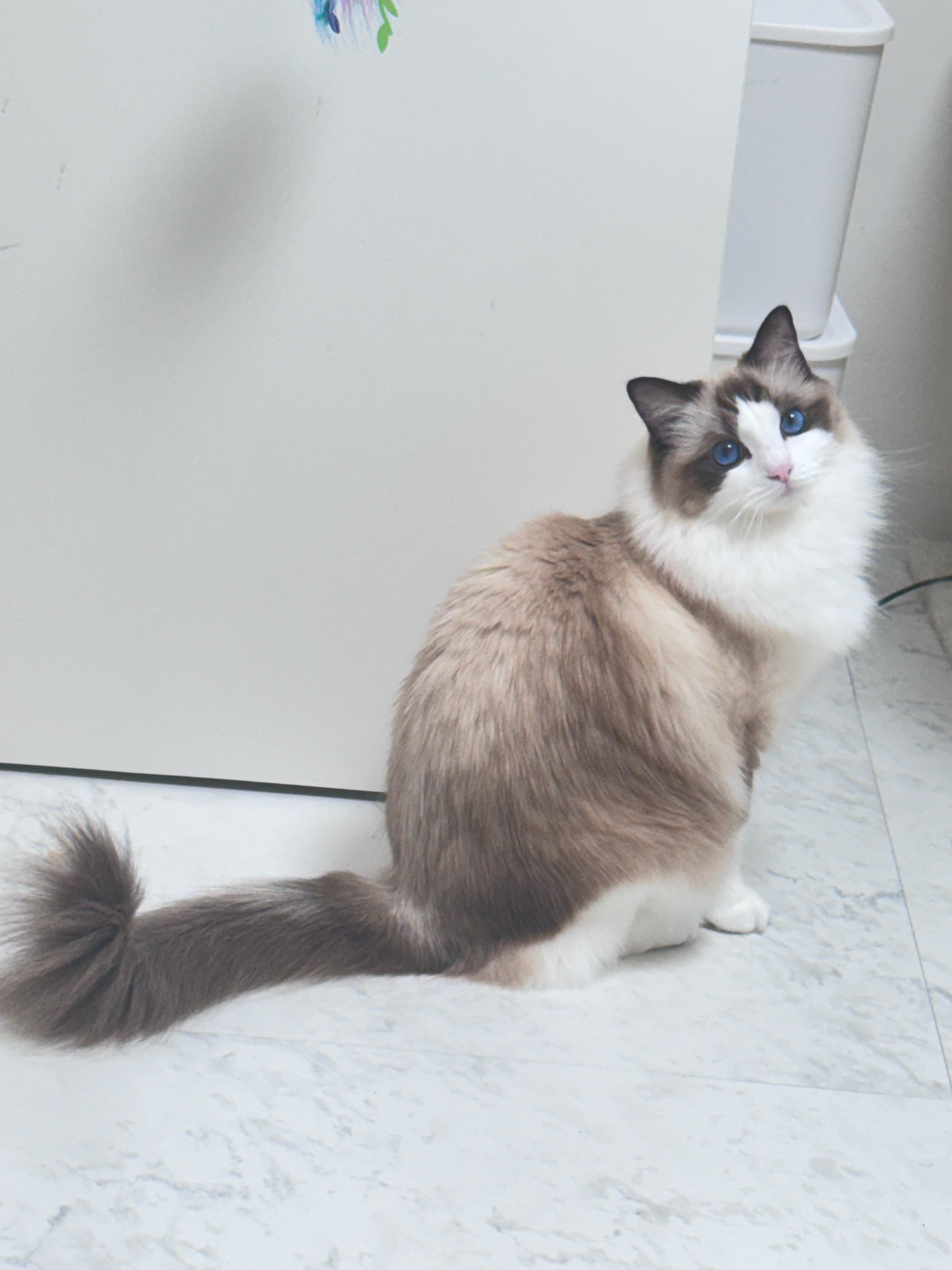
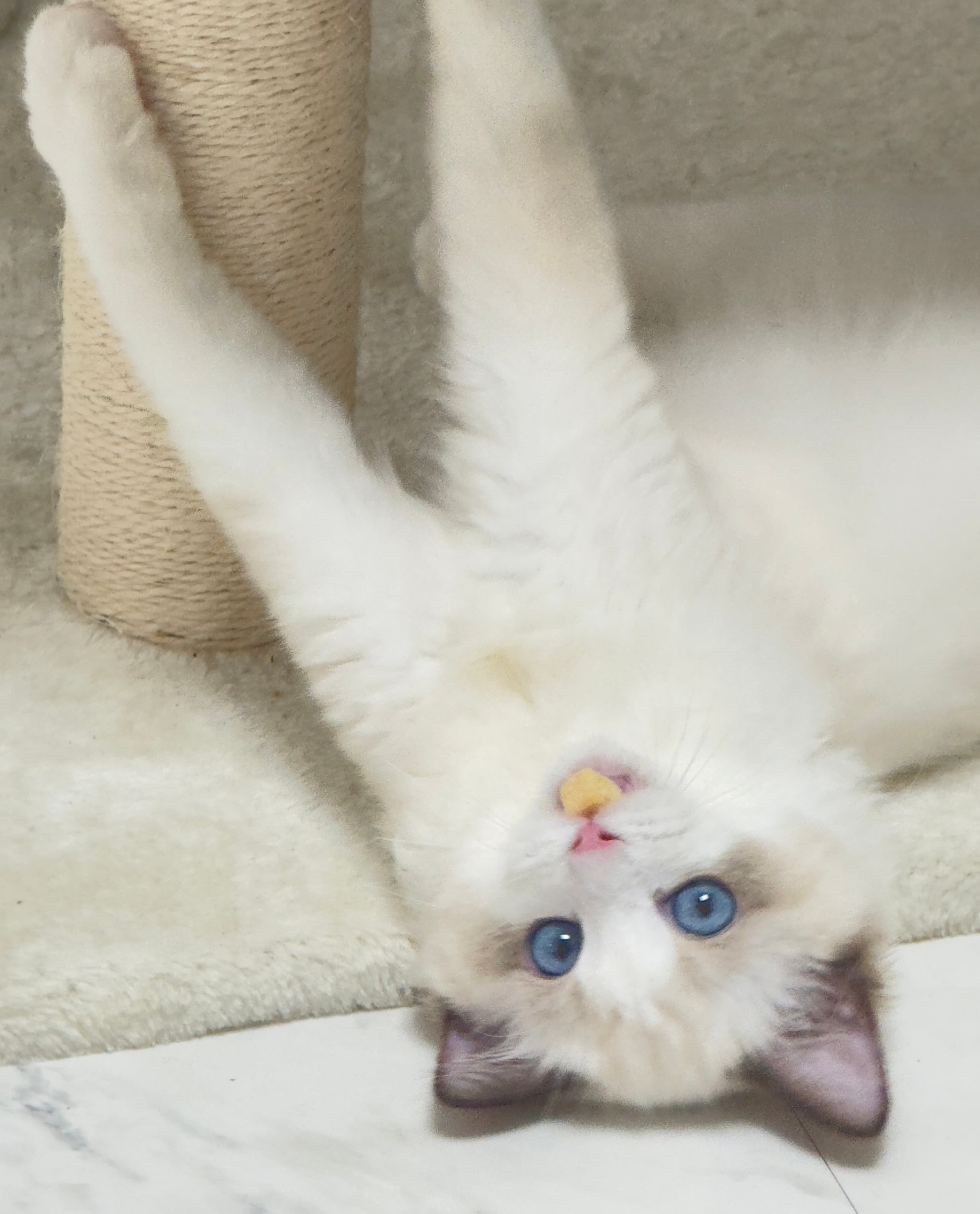
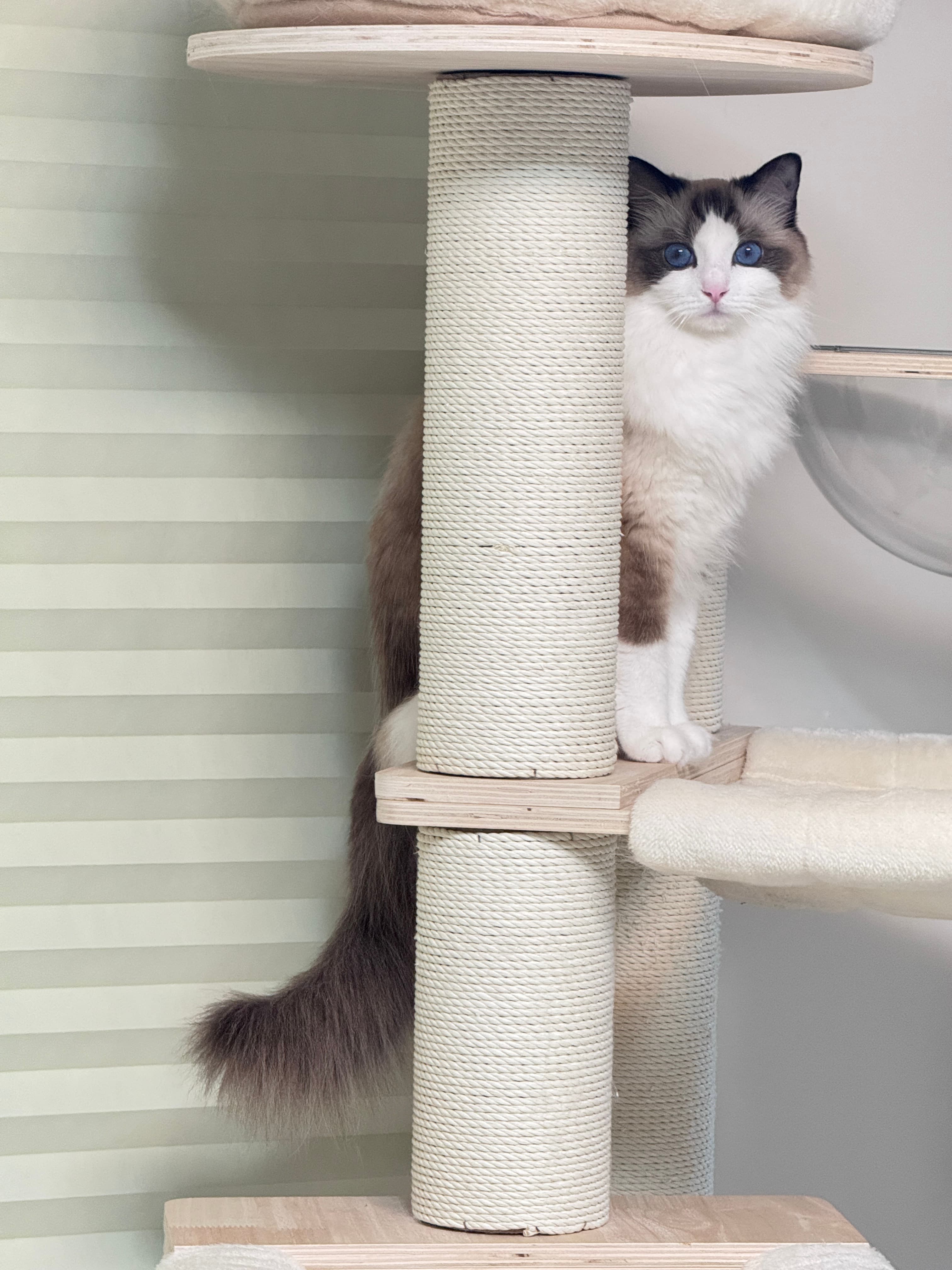
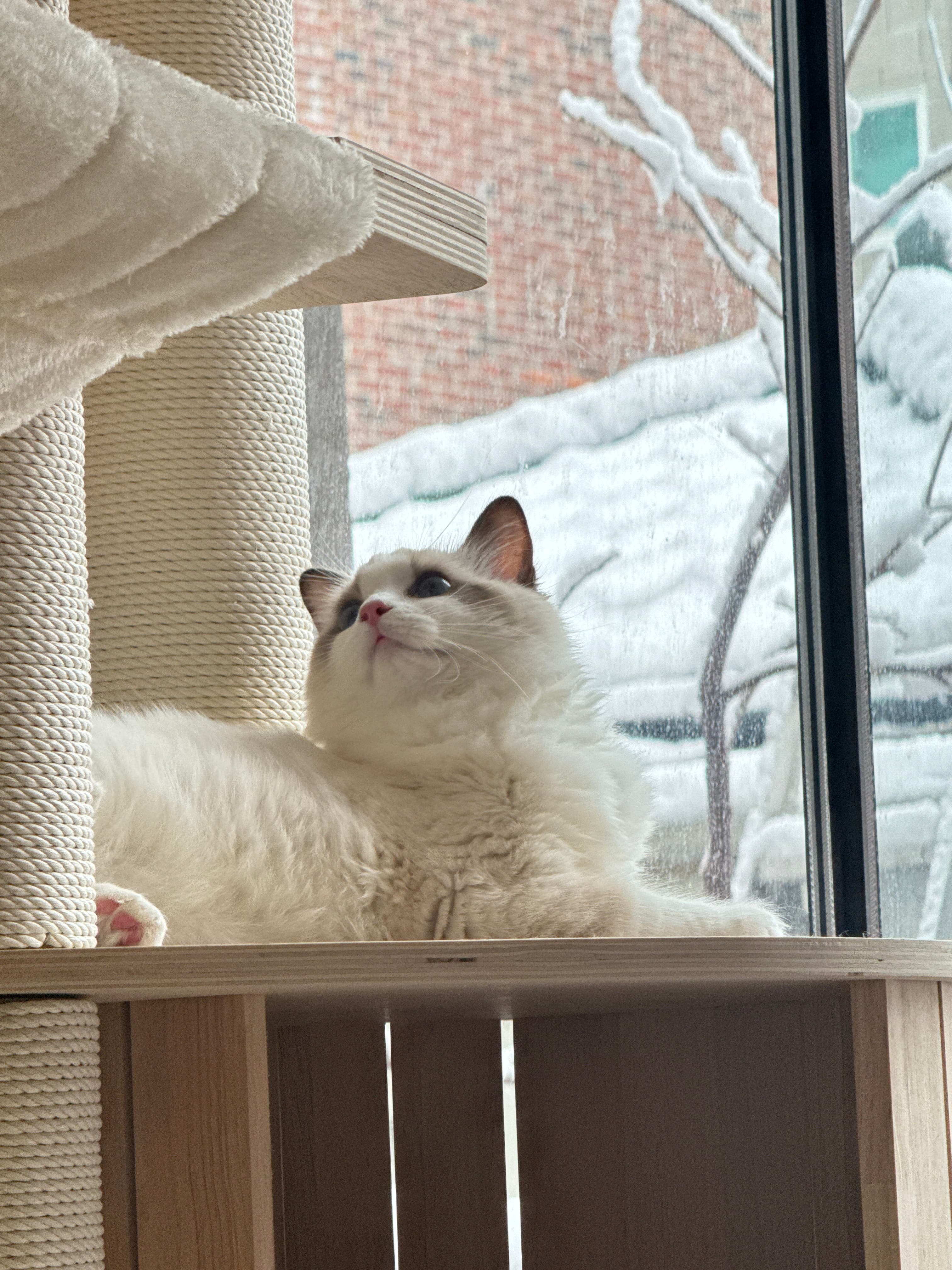
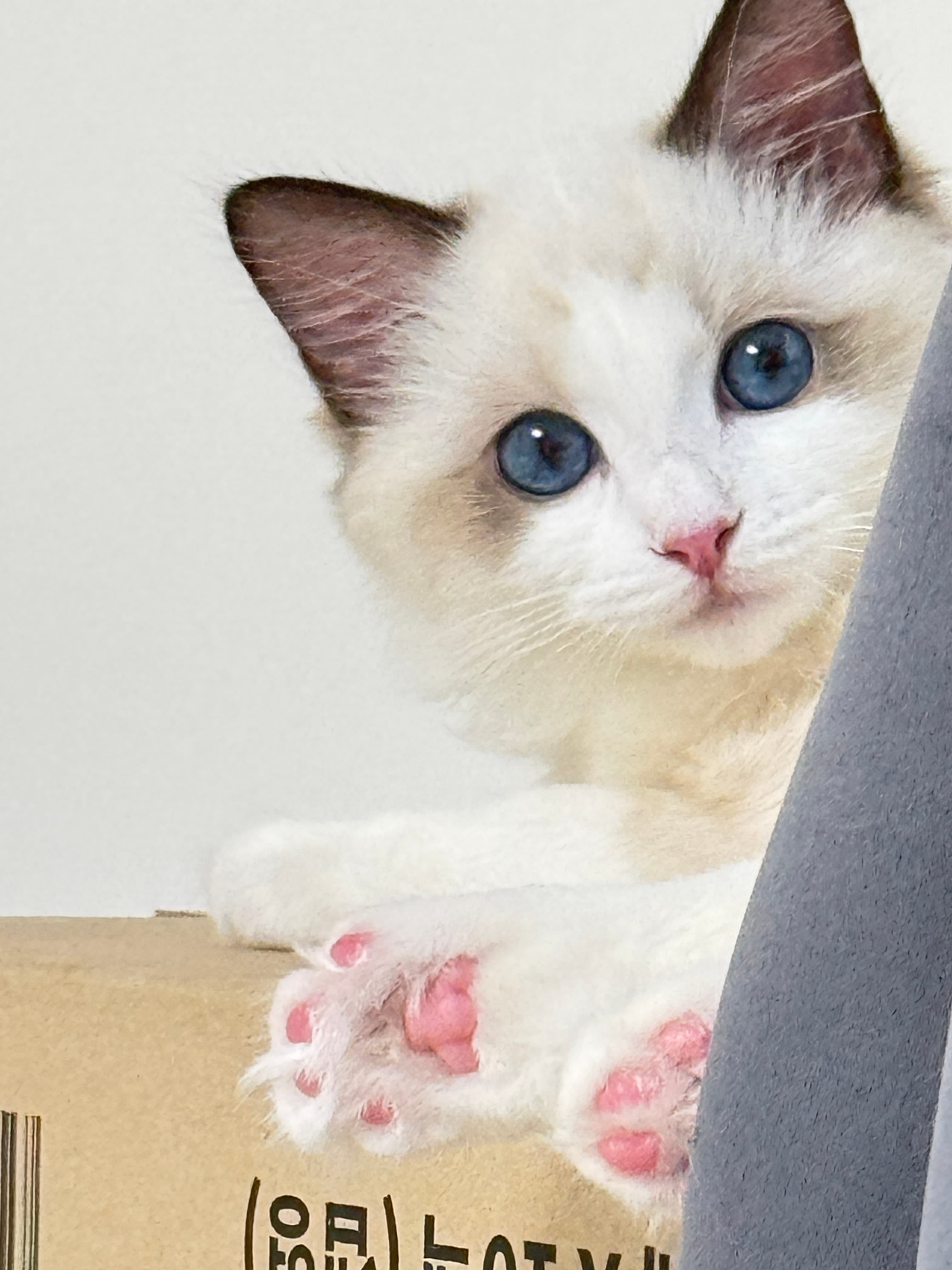
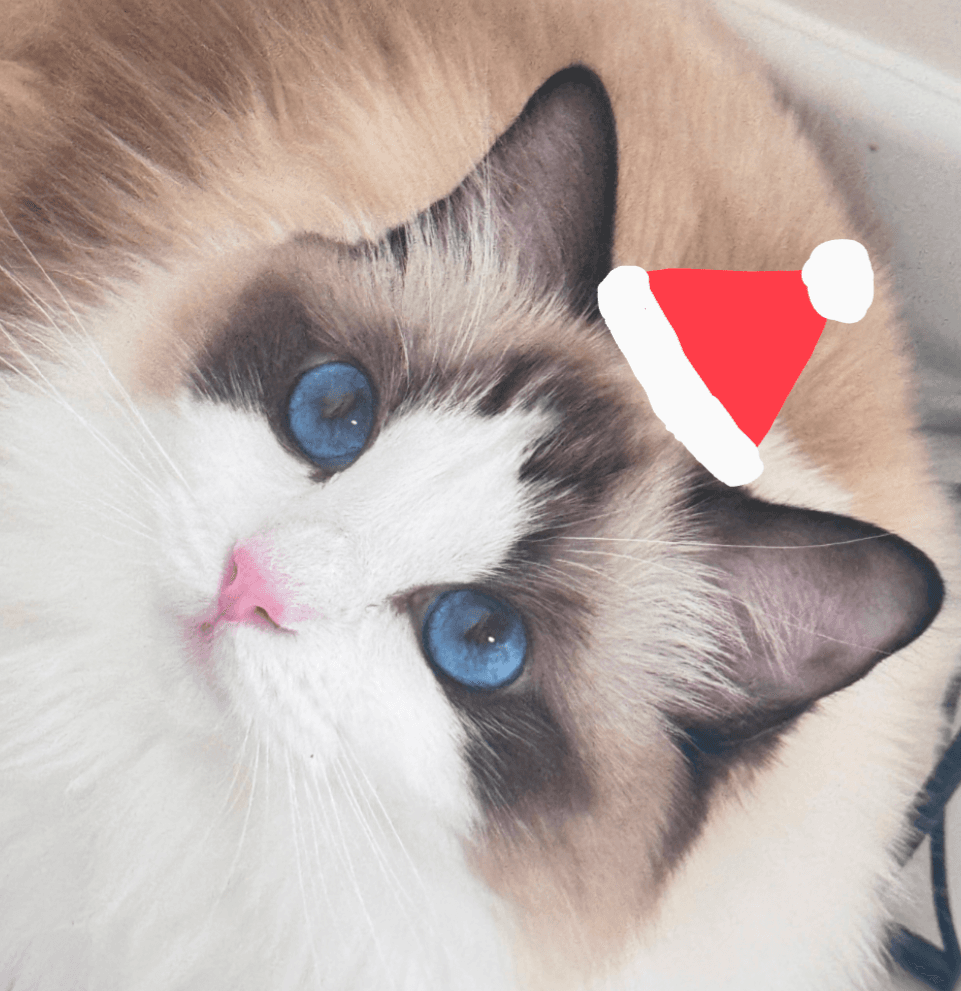
Blue eyes, colorpoint pattern (light body with darker points), semi-long silky coat. Striking appearance with a docile expression.
Personality
Extremely affectionate and social. They follow their owners from room to room and enjoy being held. Typically friendly even with strangers.
Special Traits
Known for the 'ragdoll effect' - they go limp and relax completely when picked up, like a rag doll. Rarely aggressive or defensive.
Care Requirements
Grooming
Brush 3-4 times per week to prevent matting and tangling. Regular grooming is essential due to their semi-long coat. Daily brushing during shedding season.
Activity Level
Moderate activity level. Intelligent and enjoy interactive toys and puzzle feeders. Need regular play sessions but not extremely high energy.
Socialization
Highly social and require regular human interaction. Not suitable for homes where they'll be left alone for extended periods. They may develop behavioral issues if lonely.
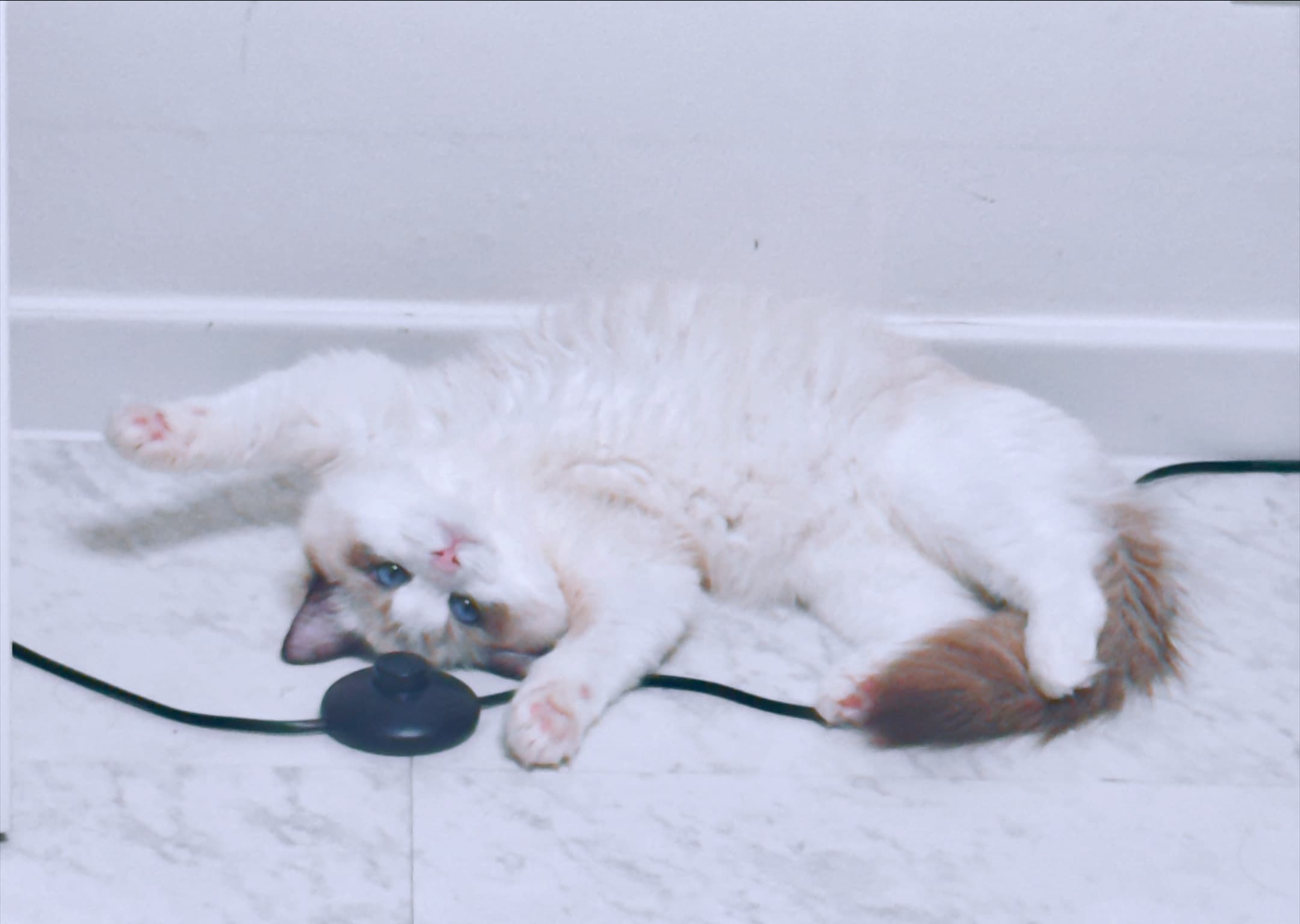
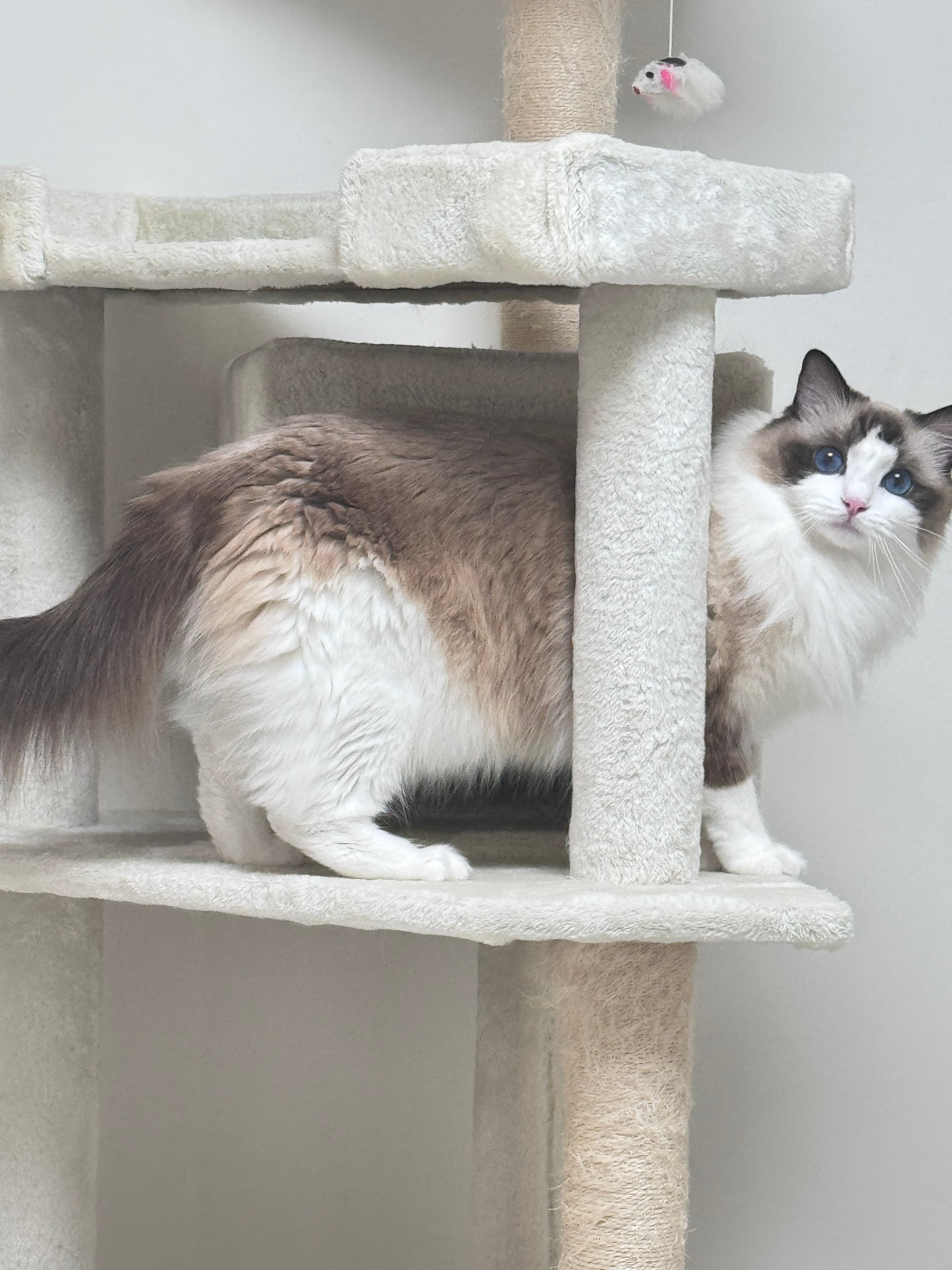
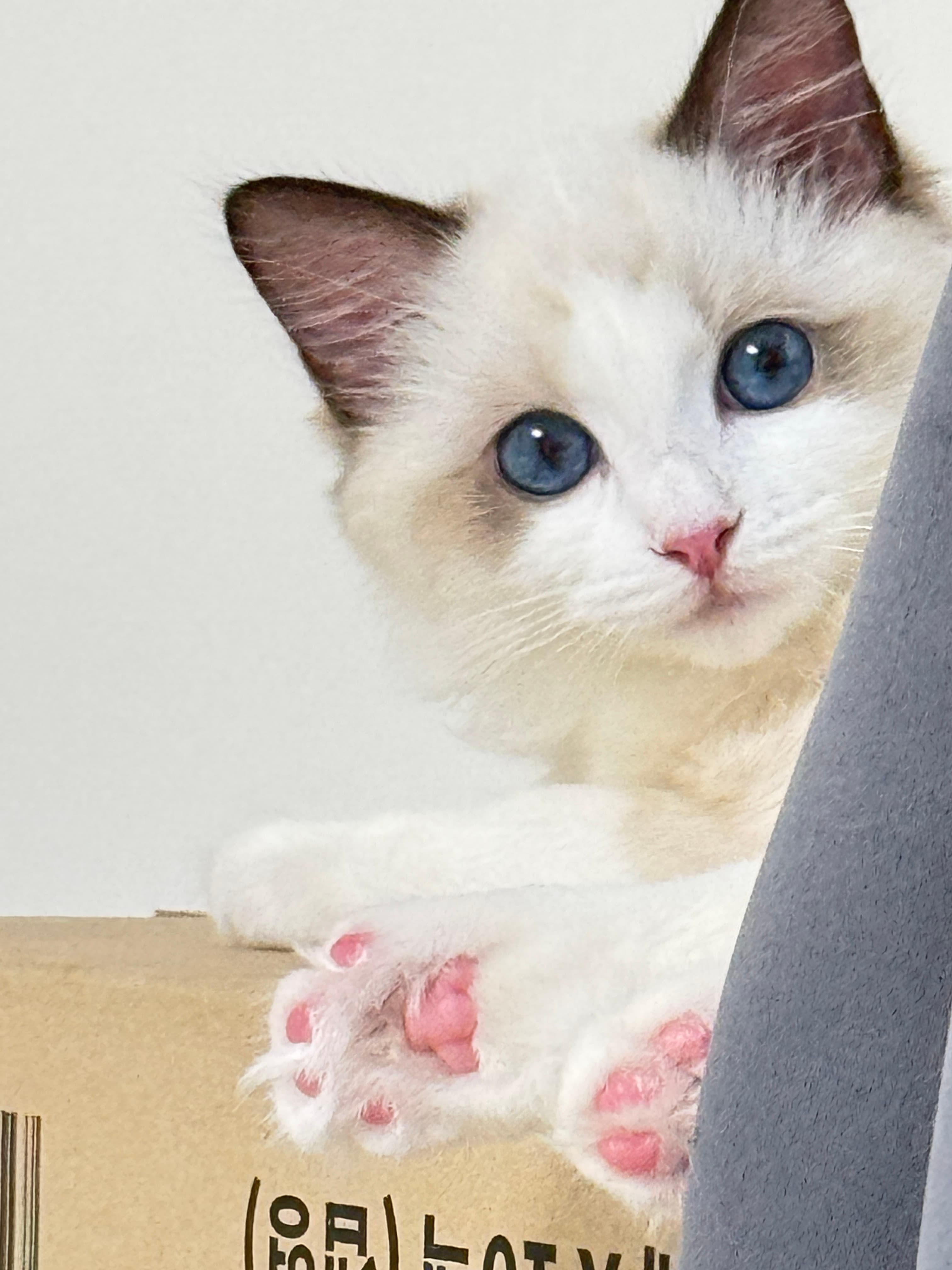
Photo Gallery
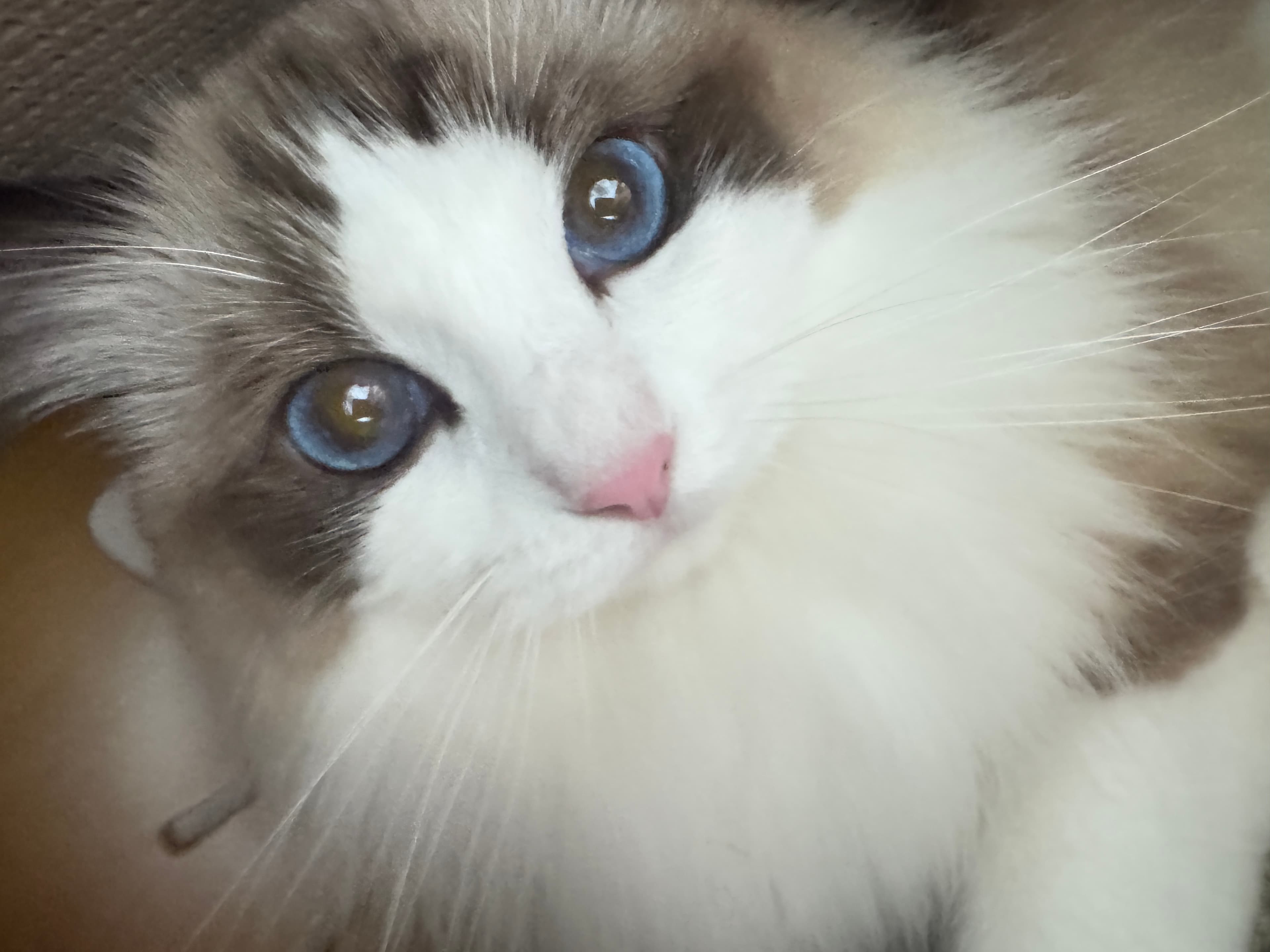
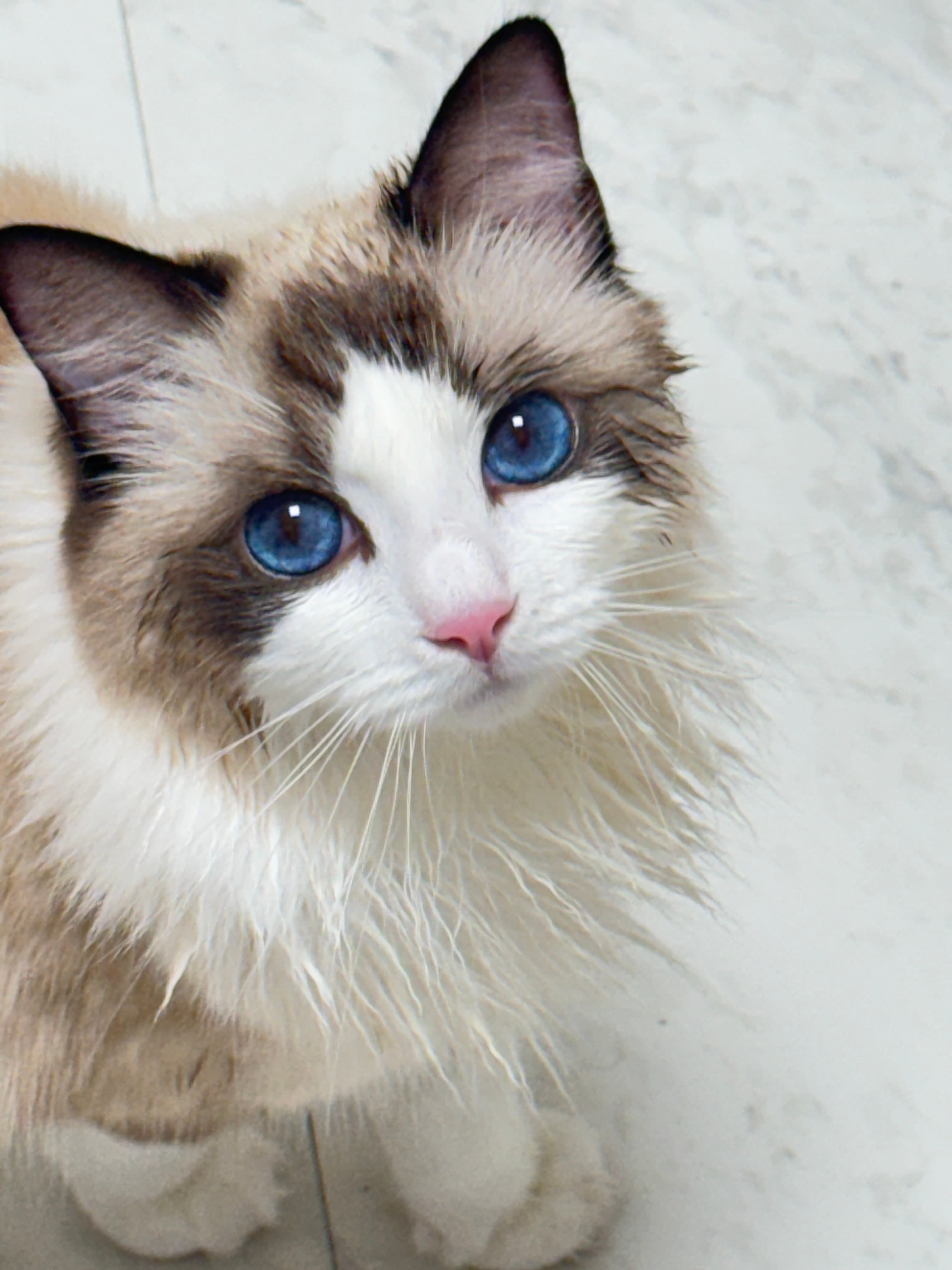
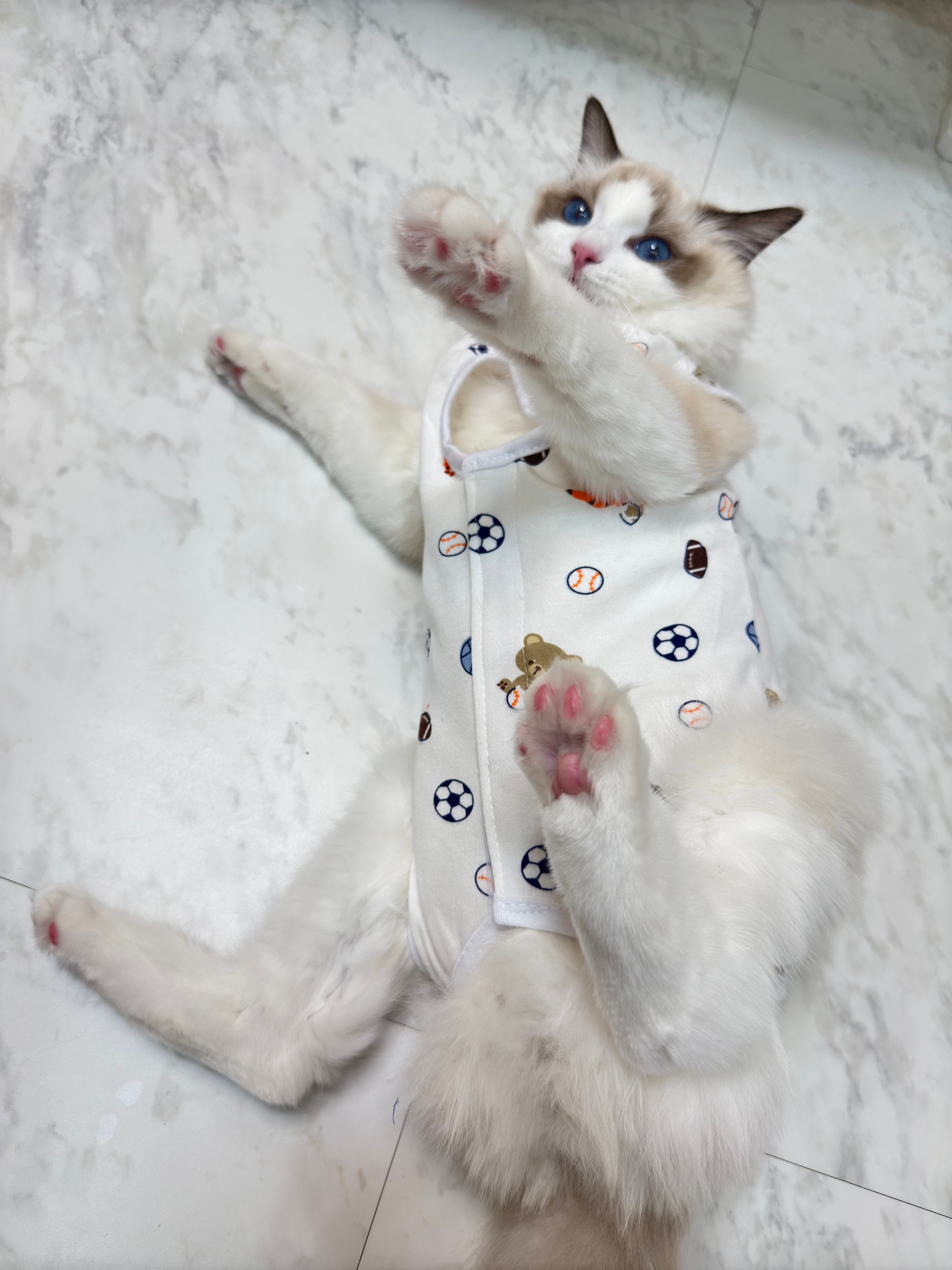
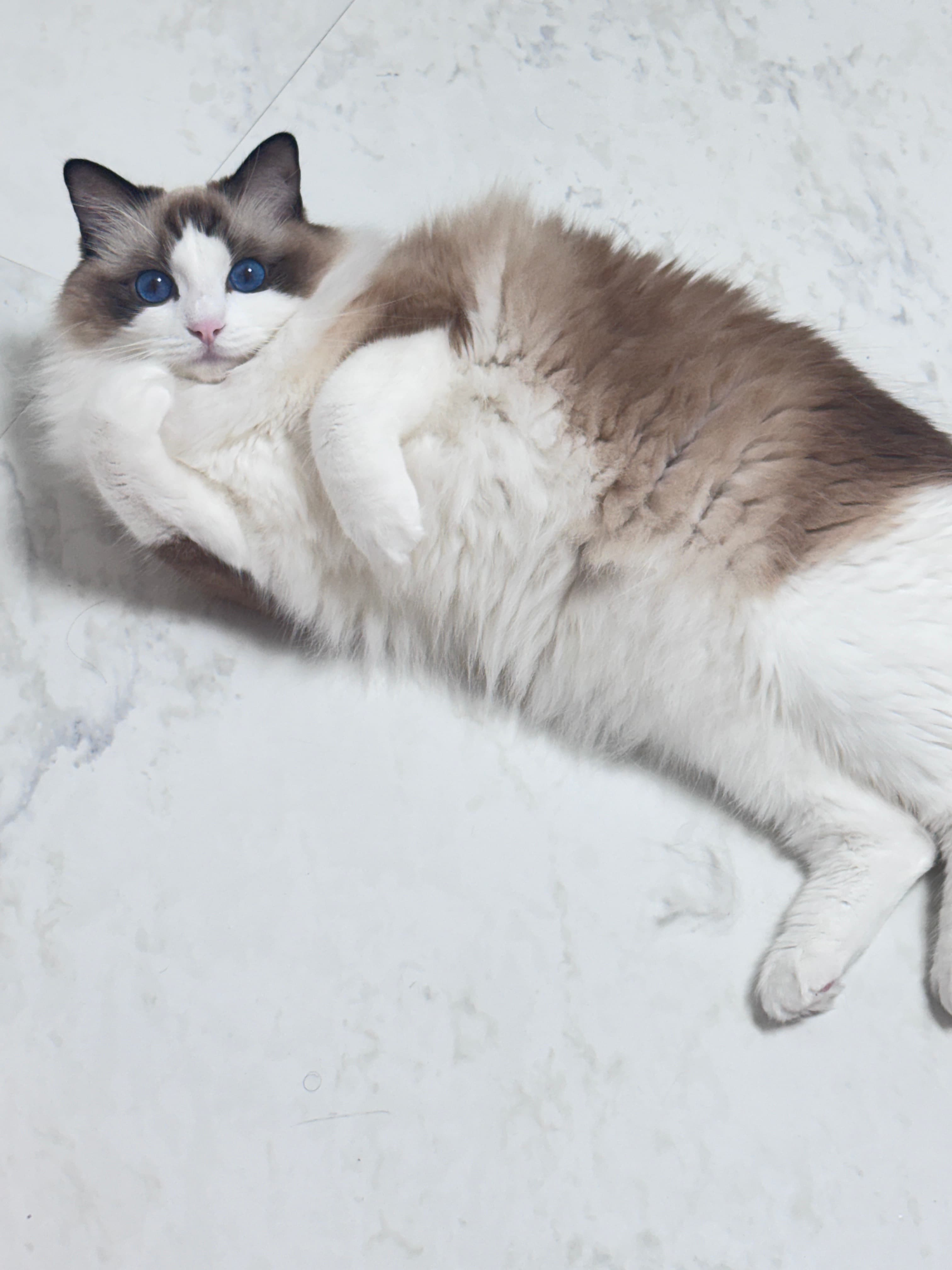
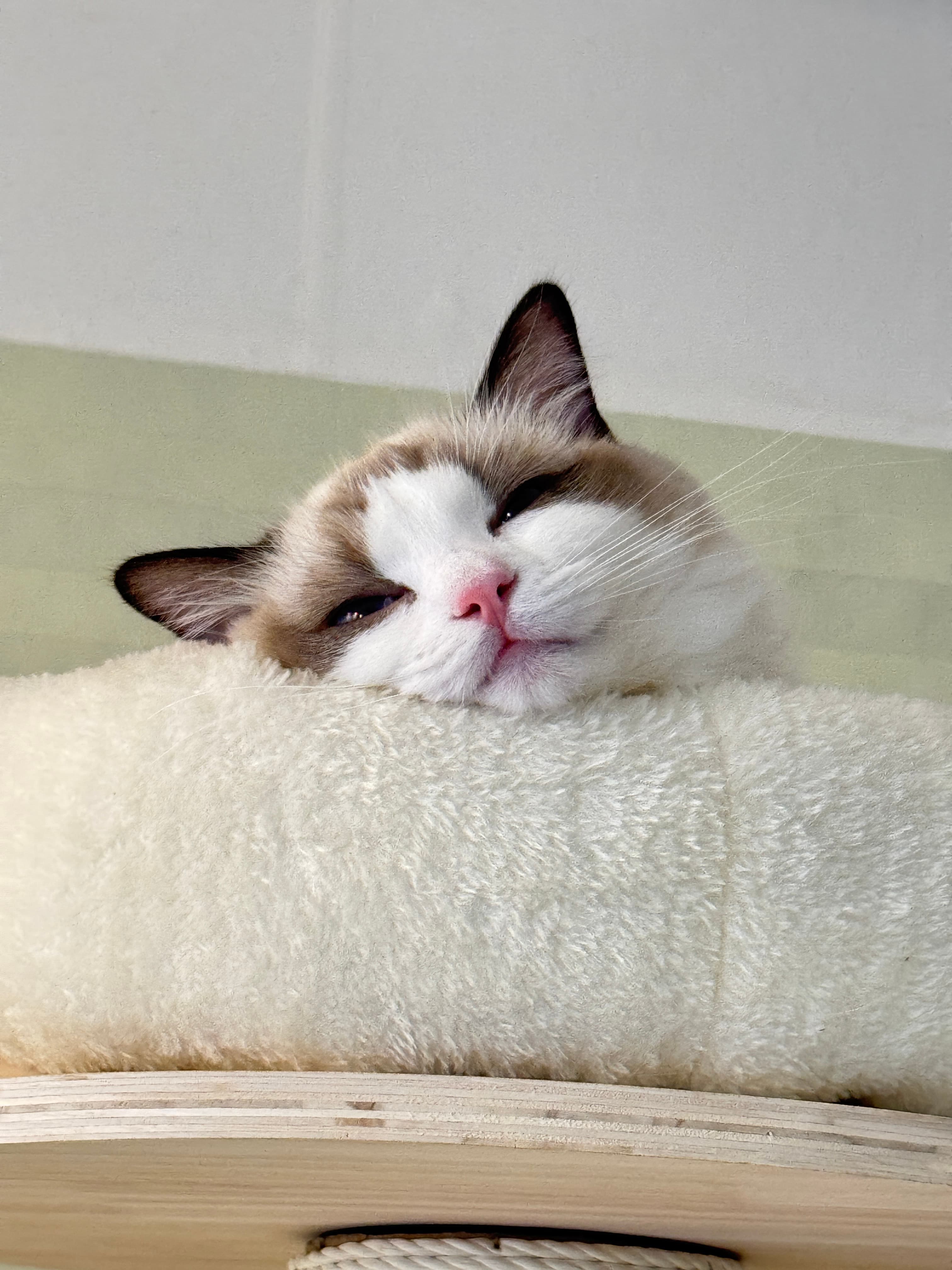
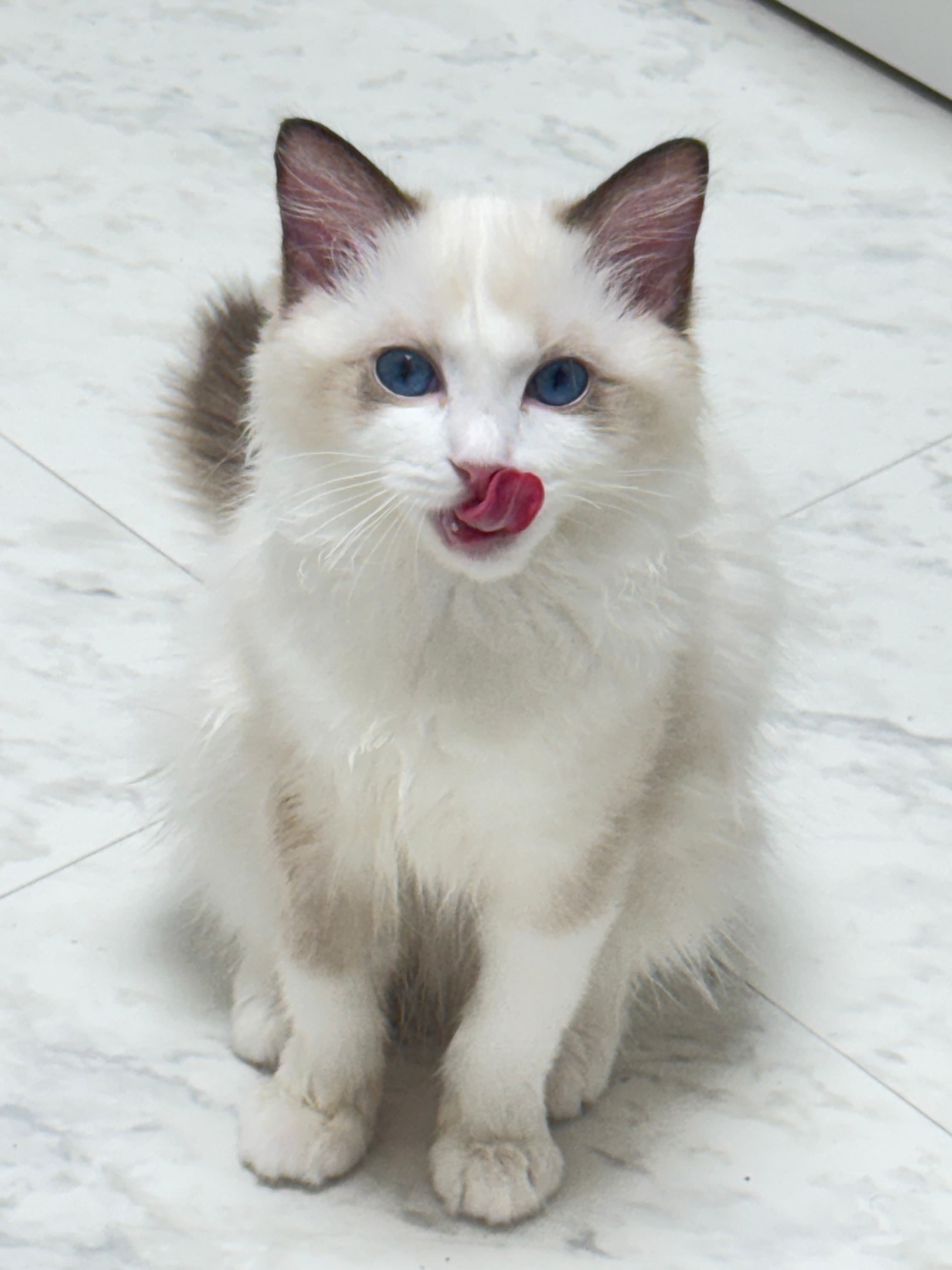
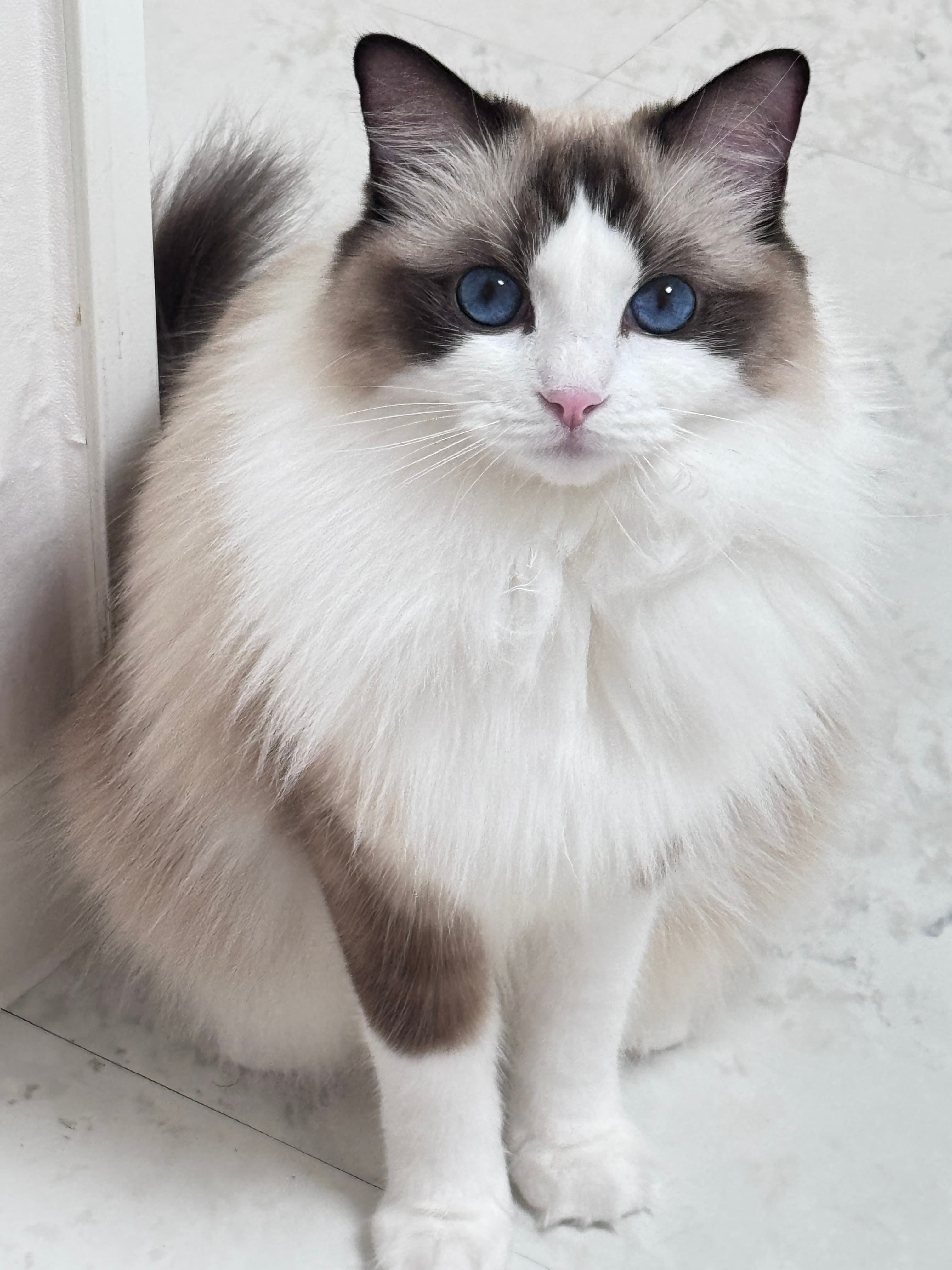
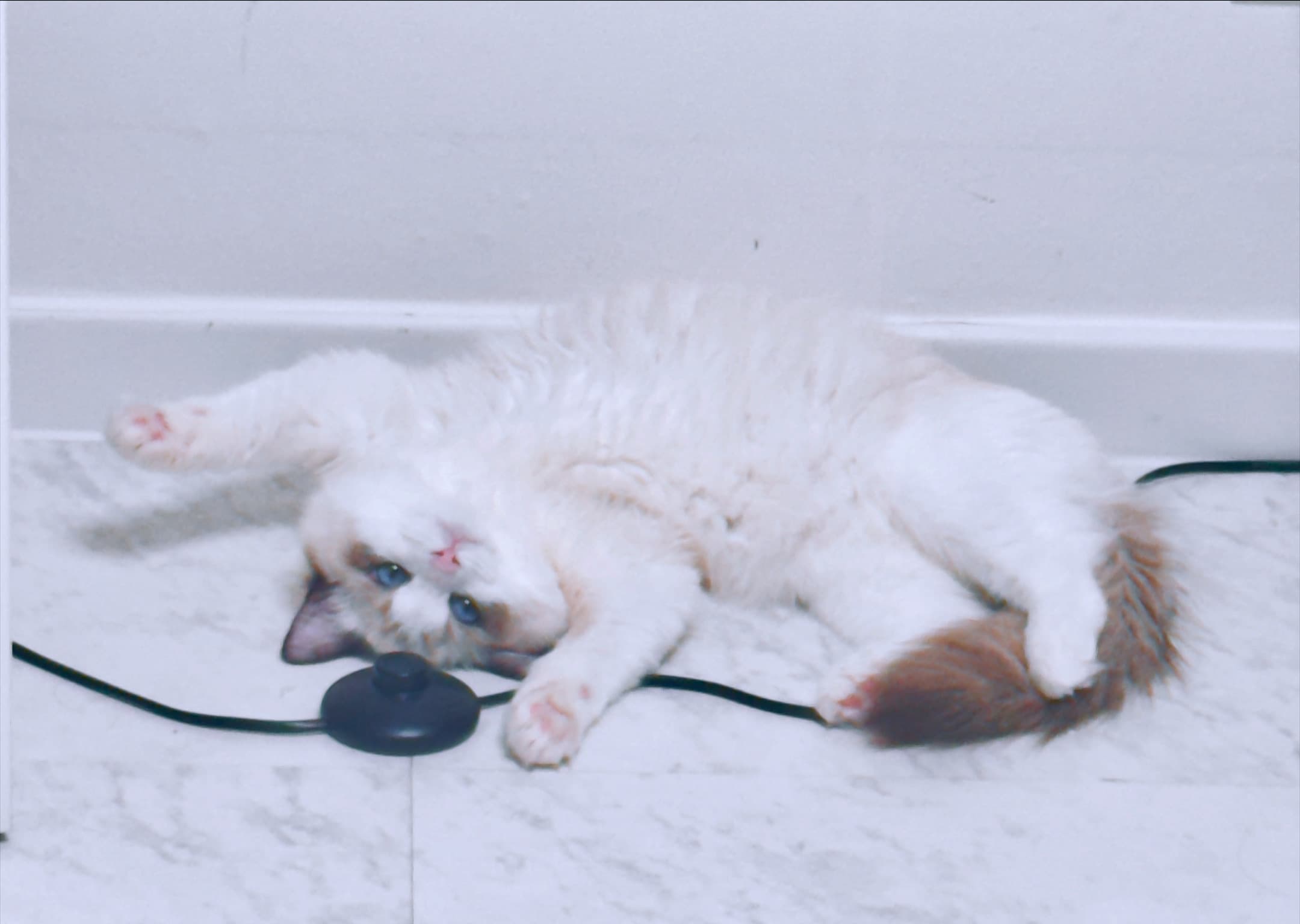
Health Information
Hypertrophic Cardiomyopathy (HCM)
Hereditary heart condition where the heart muscle becomes abnormally thick. A DNA test can help breeders reduce the occurrence. Regular echocardiograms are recommended.
Polycystic Kidney Disease (PKD)
Inherited condition involving cyst formation in the kidneys. Early detection through ultrasound and blood tests is important for management.
Nutritional Needs
Require high-protein diet. Prone to obesity, so portion control and regular exercise are important. Feed measured portions to maintain healthy weight.