Cat Obesity and Arthritis: Why Weight Loss Is One of the Most Effective Treatments
[Three-Line Summary]
- • 50-60% of cats in the US are obese, and overweight cats face significantly higher risk of osteoarthritis (OA). Up to 90% of cats over 12 show radiographic signs of degenerative joint disease, with weight loss recommended as one of the most effective treatments for OA management.
50-60% of cats in the US are obese, and overweight cats face significantly higher risk of osteoarthritis (OA). Up to 90% of cats over 12 show radiographic signs of degenerative joint disease, with weight loss recommended as one of the most effective treatments for OA management.
Research Background
비만은 고양이에서 관절염 발병 위험을 높이는 주요 요인입니다. 고양이의 관절염은 증상을 잘 숨기는 특성상 조기 발견이 어렵고, 진단 시에는 이미 상당히 진행된 경우가 많습니다. 비만 고양이에서 관절에 가해지는 과도한 기계적 부하와 지방 조직에서 분비되는 염증 매개물질이 복합적으로 OA 진행을 가속화합니다.
Research Method
Cornell Feline Health Center 및 AVMA 전문 가이드라인 기반 종합 리뷰. 비만 유병률, 골관절염 방사선 소견, 통증 관리 전략에 대한 전문 기관 권고사항 종합.

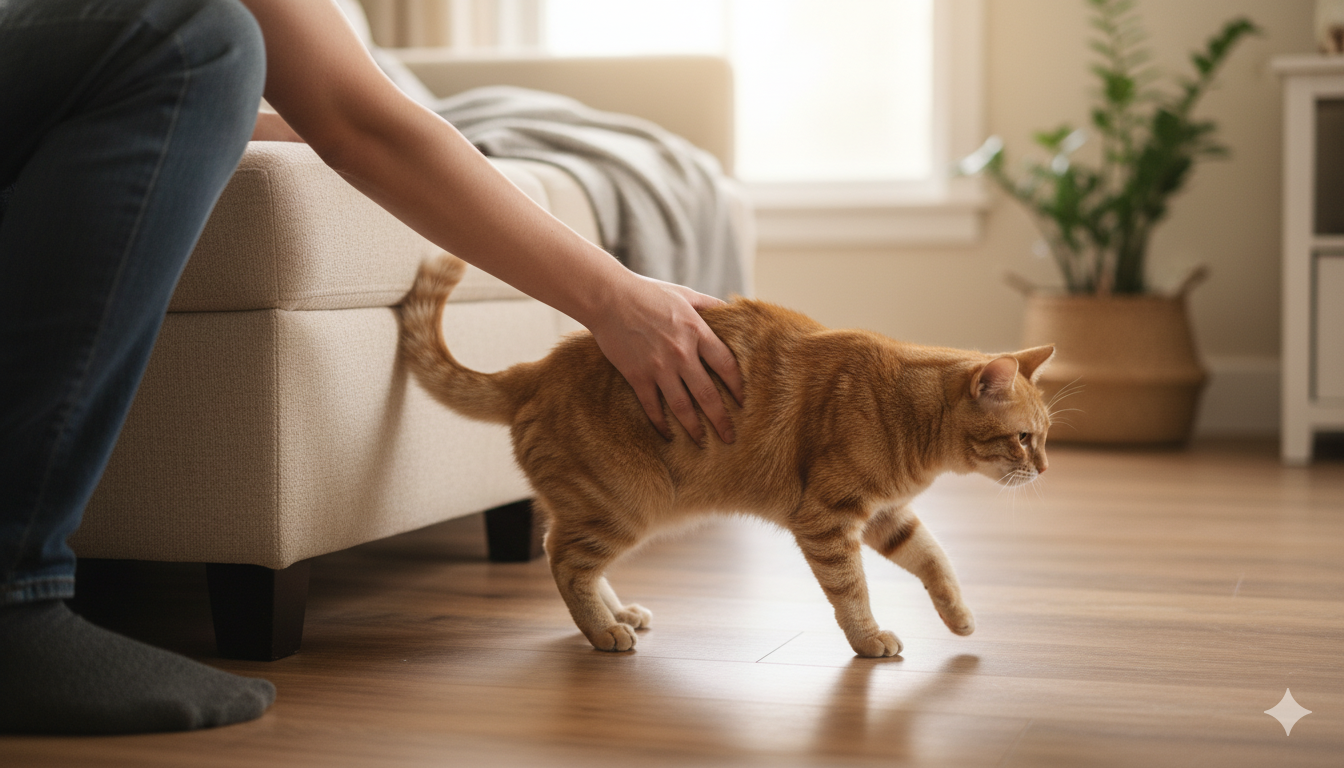
overweight cat resting joint pain arthritis obesity management
Key Findings
50-60% of domestic cats in the US are obese — obesity significantly increases the risk of developing osteoarthritis
Evidence: AVMA (American Veterinary Medical Association)
Up to 90% of cats over 12 years old show radiographic evidence of degenerative joint disease — OA is nearly universal in senior cats
Evidence: Cornell Feline Health Center
Weight loss is a cornerstone of OA management, often resulting in improved mobility and reduced pain; omega-3 (EPA), glucosamine, and chondroitin supplementation also recommended
Evidence: Cornell Feline Health Center
Scientific Mechanism
Excess weight applies continuous mechanical load on joint cartilage, accelerating wear. Weight loss directly reduces this load, leading to improved mobility and pain relief. A multimodal approach combining weight loss with NSAIDs, nutritional supplements (omega-3, glucosamine, chondroitin), and environmental modifications is recommended.
Research Information
- Journal
- Cornell Feline Health Center / AVMA
- Published
- 2025
- Sample Size
- 50-60% of US domestic cats obese (AVMA); up to 90% of cats 12+ with radiographic DJD (Cornell)
- Institution
- American Veterinary Medical Association (AVMA); Cornell Feline Health Center
Related News
Health
Landmark Study Reveals Striking Genetic Parallels Between Feline and Human Cancers
An international research team analyzed 493 feline tumor samples and identified striking genetic parallels between cat and human cancers. Results showed TP53 gene mutations occurred in 33% of feline tumors and 34% of human tumors, with particularly notable similarities in breast cancer.
Health
SDMA: The Early Biomarker That Detects Cat Kidney Disease Before Symptoms Appear
Chronic kidney disease (CKD) affects approximately 30% of cats aged 10 and older. While traditional serum creatinine only rises after 75% of kidney function is lost, the newer biomarker SDMA detects abnormalities from as little as 25% loss, enabling much earlier intervention.