Cat biting is a common issue that can be frustrating and even painful for many owners. This behavior doesn't mean your cat is 'bad,' but rather it can stem from various psychological and physical causes. To effectively resolve biting problems and maintain a positive relationship with your cat, it's crucial to understand the exact causes and apply appropriate correction training methods.
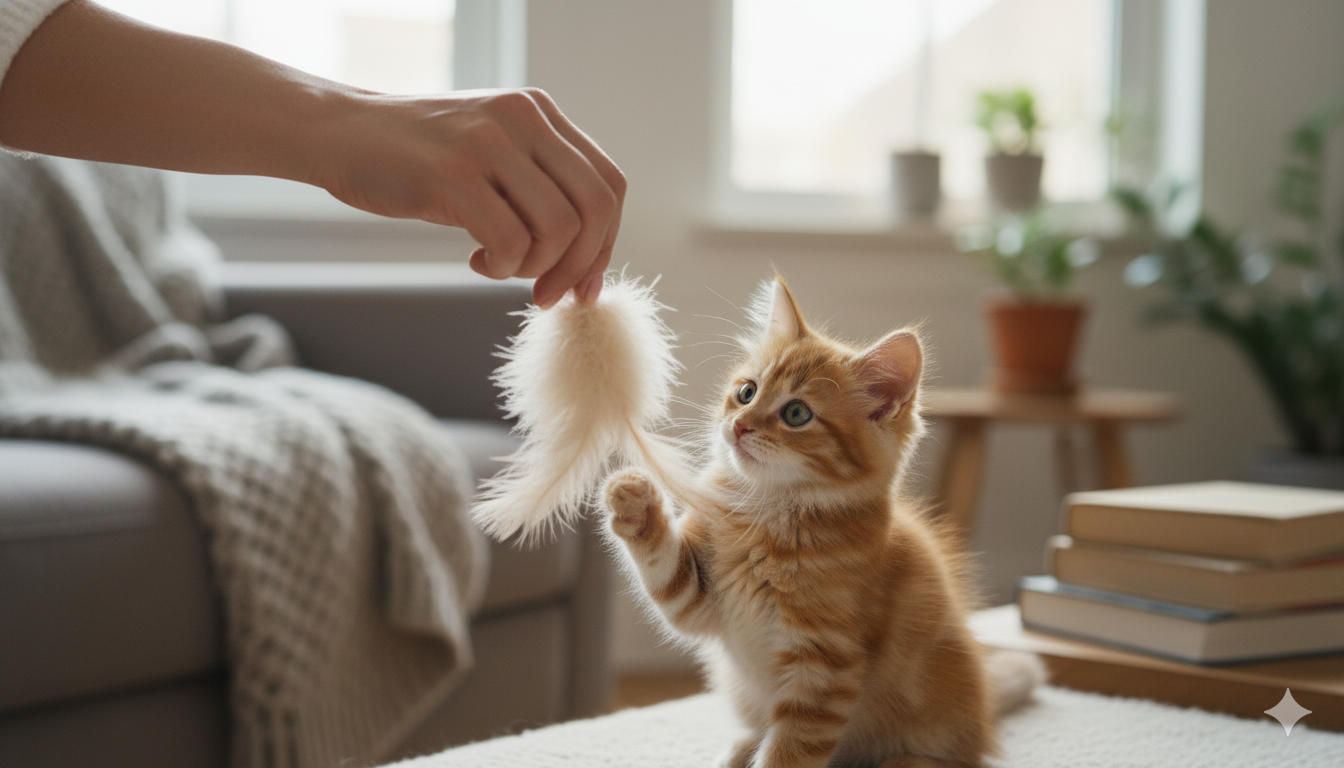
Cat biting training with toys
Why Do Cats Bite?
Cat biting can occur for various reasons, and identifying the cause is the first step in correction. According to the Cornell Feline Health Center, common causes of biting include:
- Play Aggression: Common in young cats, this occurs when cats perceive owners' hands or feet as prey to satisfy their hunting instincts.
- Fear: Cats may bite to defend themselves when they feel threatened or scared.
- Pain: If a cat is unwell or experiencing pain in a specific area, it might bite to avoid being touched. Sudden biting behavior, in particular, could indicate pain.
- Petting-Induced Aggression: This occurs due to overstimulation. It can happen when a cat is petted for too long in a specific area or if petting continues when the cat no longer desires it.
Ineffective Training Methods to Avoid
To stop cat biting, punishment such as hitting, yelling, or squirting with water is not only ineffective but can also be counterproductive. According to the ASPCA, such punishments can increase a cat's fear and anxiety or damage the cat-owner relationship. Cats don't understand the reason for punishment, which can worsen aggressive behavior. Therefore, positive reinforcement-based training is essential.
Effective Cat Biting Correction Strategies
- Redirect to Appropriate Toys: According to iCatCare, when your cat wants to bite, you should redirect its attention to appropriate toys instead of your hands or feet. Use laser pointers, feather wands, and other interactive toys to safely satisfy their hunting instincts.
- Provide Sufficient Environmental Enrichment: According to PetMD, to reduce biting due to boredom or lack of stimulation, provide plenty of interactive toys, scratching posts, and opportunities for predatory play.
- Manage Petting-Induced Aggression: The Cornell Feline Health Center advises owners to learn their cat's tolerance limits for petting and watch for warning signs (e.g., tail twitching, skin rippling, flattened ears).
- Never Play with Hands: Clearly teach your cat that human hands and feet are not play objects.
| Biting Cause | Recommended Correction Method |
|---|---|
| Play Aggression | Redirect to appropriate toys, environmental enrichment |
| Fear | Provide a safe, predictable environment, minimize stressors |
| Pain | Immediate veterinary examination (rule out medical issues) |
| Petting-Induced Aggression | Identify cat's warning signs, respect petting limits |
When to Consult Your Vet
According to the ASPCA, if your cat's biting behavior is sudden, unusually severe, or associated with other symptoms (e.g., loss of appetite, decreased activity, unusual vocalizations), it is crucial to seek veterinary attention immediately. Your veterinarian can assess your cat's health and, if necessary, recommend consultation with a behavior specialist.
If your cat's biting behavior persists or causes concern, always consult your veterinarian for an accurate diagnosis and personalized advice.
🧮 Use Age Calculator →