Why Senior Cat Digestion Changes
Cats 10+ years old enter the "senior" category, experiencing physiological changes including decreased digestive enzyme production, reduced gut motility, lower stomach acid, and impaired nutrient absorption. This can lead to diarrhea, constipation, and malnutrition, especially if kidney disease is present.
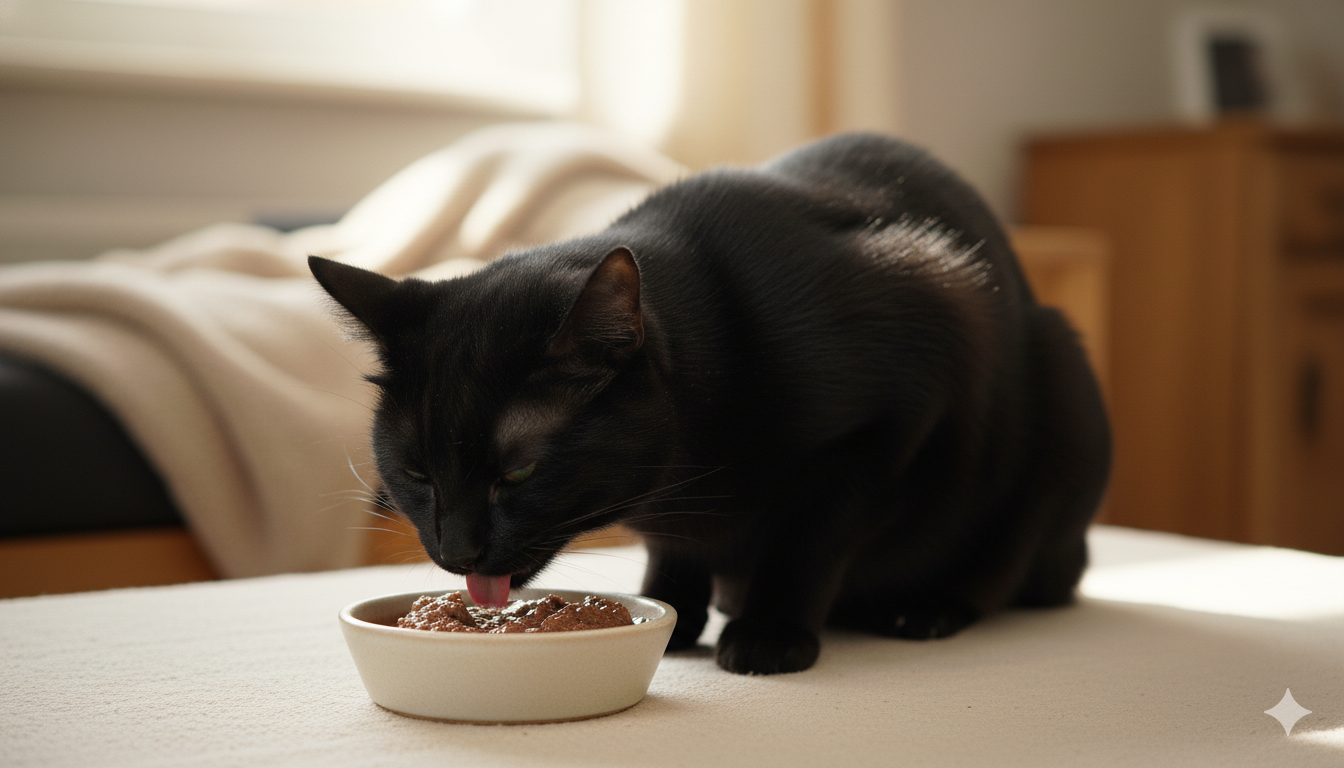
Age-related decline in digestive efficiency
1. Decreased Enzyme Production
Which Enzymes Decline?
| Enzyme | Function | Decline Symptoms |
|---|---|---|
| Pepsin | Breaks down protein in stomach | Protein malabsorption, muscle loss |
| Lipase | Breaks down fats | Fatty stools, GI upset |
| Amylase | Breaks down carbs | Gas, bloating, loose stools |
How to Address
- Enhance quality protein: Easy-to-digest animal proteins (raw or poultry broth-based)
- Digestive enzyme supplements: Vet-prescribed or probiotics
- Easy-to-digest form: Wet or soft food (kibble requires more enzymes)
2. Reduced Gut Motility and Constipation
What Changes?
With age, colon muscles weaken and nerve signals dull, slowing intestinal transit. This commonly leads to constipation and potentially serious conditions like megacolon. Some seniors experience worsening diarrhea (inflammatory bowel disease progression).
Management Strategies
- Increase water intake: Emphasize wet food (75–80% moisture)
- Dietary fiber balance: Add moderate fiber (consult vet for amount)
- Encourage activity: Gentle play and movement (maintain muscle tone)
- Probiotics: Support gut health
3. Managing Concurrent Kidney Disease (CKD)
Why Kidney and Digestive Issues Worsen Together?
Over 30% of senior cats have chronic kidney disease (CKD). It increases blood acidity, causes uremic toxin buildup, and triggers nausea, reducing appetite and digestive comfort. Balanced nutrition between standard senior diets and strict CKD diets is often needed.
Nutritional Adjustment Principles
| CKD Stage | Protein | Phosphorus Target* | Sodium |
|---|---|---|---|
| Stage 1 (Early) | 30–40% (normal) | Maintain normal blood levels | Unrestricted |
| Stage 2 (Moderate) | 20–25% (vet assessment) | Target serum phosphate 0.9–1.5 mmol/L | Appropriate level |
| Stage 3 (Advanced) | 14–18% (moderate) | Target serum phosphate <1.6 mmol/L | Low sodium |
| Stage 4 (End-stage) | 10–14% (strict) | Target serum phosphate <1.9 mmol/L | Low sodium |
* IRIS 2023 guidelines manage phosphorus by target serum phosphate concentration, not food % values. Always consult your veterinarian for diet selection.
4. Optimal Senior Cat Diet Composition
Food Form
- ✓ Wet food 70%+: Hydration + protein efficiency
- ✓ Soft texture: Easy-to-chew pieces (accommodate tooth loss)
- ✓ Warm temperature: Room temperature or warm (enhance flavor, ease digestion)
Feeding Frequency and Amount
- 10–12 years: 2 meals → consider 3 meals (maintain satiety)
- 13+ years: 2–3 meals or free feeding (small frequent meals)
- Portion: Slightly less than adult but nutrient-dense
5. Supporting Gut Health
Probiotics and Prebiotics
- Probiotics: Beneficial bacteria → improved digestion, stronger immunity
- Prebiotics: Food for beneficial bacteria → gut health support
- Synbiotics: Combined probiotics + prebiotics (more effective)
Digestive Enzyme Supplements
For seniors with declining pancreatic function, prescribed enzyme replacements may help. However, this should only be used after veterinary diagnosis.
Regular Monitoring
- Weight: Track every 3 months (loss = kidney/GI issue sign)
- Stool: Color, frequency, consistency (detect diarrhea/constipation)
- Appetite: Sudden decrease = possible CKD worsening
- Blood work: Every 6 months (check kidney values, nutrients)
Senior Cat Diet Checklist
- ✓ Sufficient wet food (70%+)
- ✓ Quality protein (30%+ unless CKD)
- ✓ Verified taurine content
- ✓ Phosphorus restriction if CKD present
- ✓ Veterinary nutritionist consultation
References
- ISFM - Senior Cat Management Guidelines
- KDIGO - CKD Staging and Management
If your cat is 10+ years old, consult your vet about optimal nutrition and use our Age Calculator to understand their life stage.
🧮 Use Age Calculator →