Every cat owner knows the magical power of liquid treats like Churu. It can make even the pickiest cat run with excitement. However, its high palatability often leads to concerns: "Is it okay to give this every day?" or "Is it too salty?" This guide analyzes the ingredients of these popular treats and establishes healthy feeding standards for your feline companion.
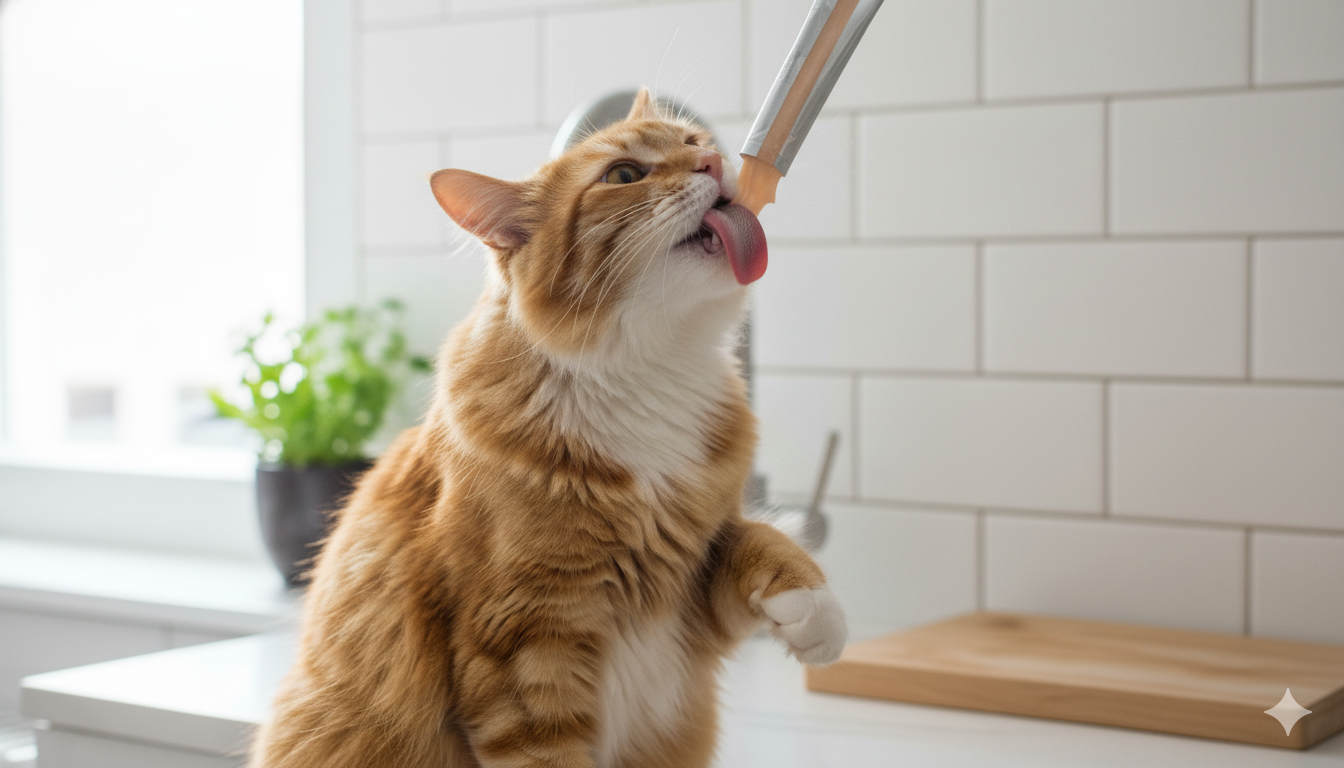
A cat enjoying a liquid treat
The Truth About Sodium Content
The biggest concern for owners is often the "saltiness." However, veterinary analysis shows that most major brand liquid treats have a sodium content of about 0.1–0.2%, which is actually lower than or comparable to standard dry kibble. While very low compared to human food, cats have a lower capacity to process sodium than humans, making it important to consider the total caloric balance rather than just the percentage.
Why Treats Are Linked to Kidney Health
Treats themselves do not directly cause kidney failure. The real issue is "nutritional imbalance." Treats do not contain the full spectrum of essential nutrients like taurine, calcium, and phosphorus. If a cat consumes too many treats and refuses their main balanced diet, it becomes difficult to regulate phosphorus levels, which can lead to long-term kidney strain.
| Weight | Daily Max |
|---|---|
| 2kg - 3kg | 0.5 sticks |
| 4kg - 5kg | 1 stick |
| 6kg or more | 1.5 sticks |
3 Tips for Healthy Treating
- Mix with water: Dilute the treat with 1-2 spoons of water to encourage hydration.
- Use as a topper: Mix a small amount with balanced kibble to ensure they get necessary nutrients.
- Medical aid: Use treats to mask the taste of bitter powder medications.
References
- Cornell Feline Health Center - Cat Treats and Obesity Guidelines
- PetMD - Sodium Requirements for Cats
Want to know your cat's ideal calories? Try our Nutrition Planner.
🥗 Use Nutrition Planner →