Why the Coat is a Mirror of Health
Cat hair grows continuously through new cell generation in a process called the "hair follicle cycle." This cycle reflects internal nutrition, hormone balance, and immune function. Any internal problem—nutrient deficiency, allergies, hormonal disease, infection—shows up first in the coat. Daily observation helps catch problems early.
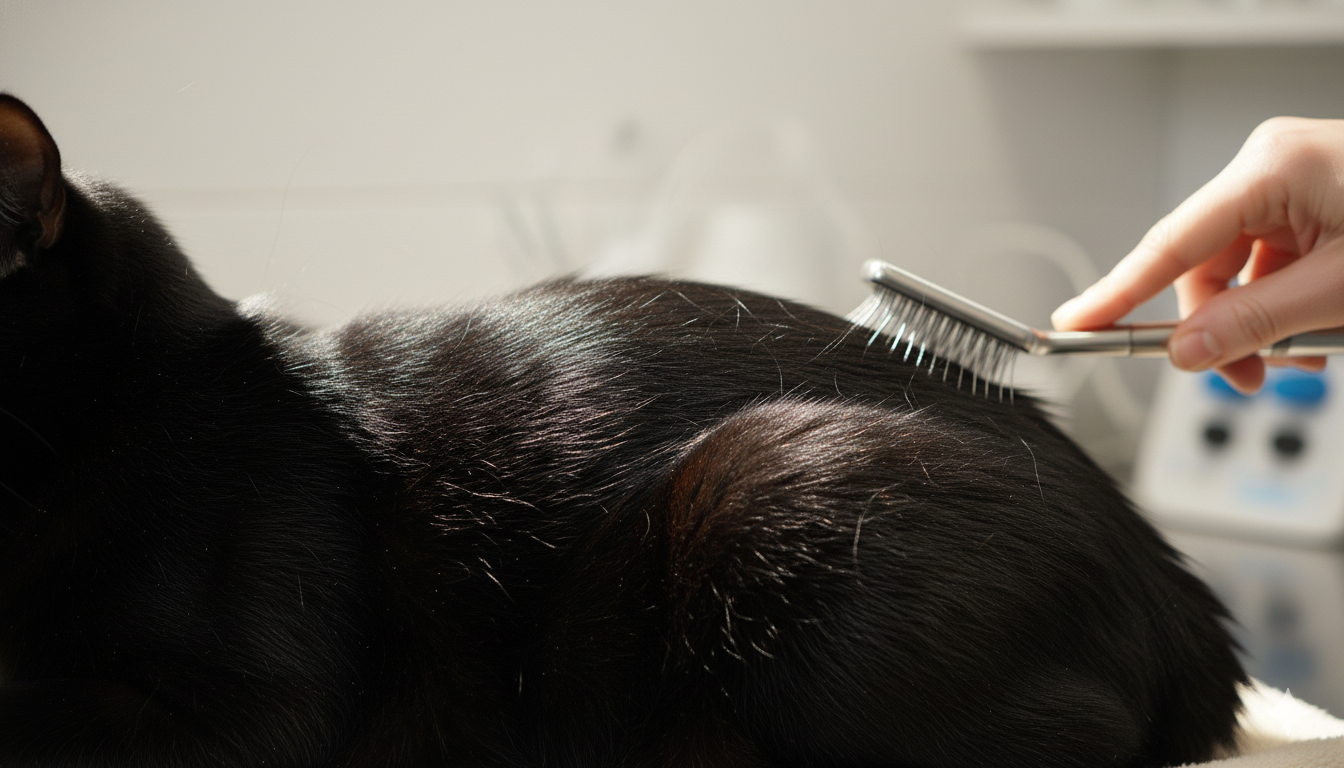
Comparison of healthy vs unhealthy cat coats
1. Coat Shine: The Most Important Sign
Healthy Coat Characteristics
- Smooth, silky surface that reflects light
- Vibrant, consistent color throughout
- No matting, tangling, or clumping
Causes of Dull Coat
| Sign | Common Cause | Action |
|---|---|---|
| Overall dullness | Nutritional deficiency | Switch to high-protein food, consult vet |
| Localized hair loss | Allergy, mites, fungus | Immediate vet visit |
| Color change/fading | Kidney/liver disease | Blood work needed |
2. Dandruff and Skin Condition
Normal vs Abnormal Dandruff
Some shedding is normal, but excessive dandruff, redness, crusts, odor, or increased scratching warrant a vet visit. These can indicate allergies, infections, or parasites.
Dandruff Causes and Characteristics
- Dry skin: Fine white flakes, worse in winter → Humidify, increase omega-3
- Fungal infection: Circular hair loss + scales + fungal odor → Vet visit URGENT
- Mites: Severe itching around ears + crusts → Antiparasitic treatment
- Seborrhea: Oily coat + strong odor → Medicated shampoo + vet
3. Hair Loss Patterns: What They Mean
Types of Hair Loss
| Hair Loss Pattern | Likely Cause | Next Step |
|---|---|---|
| Symmetrical (sides, belly) | Hormonal (thyroid, adrenal) | Blood test, hormone panel |
| Localized/patchy | Allergy, parasites, fungus | Vet dermatology exam |
| Over-grooming marks | Stress, allergy, itching | Behavior assessment + itch investigation |
Daily 5-Minute Coat Health Check
- 1. Stroke gently from head to tail, feeling for shine and softness
- 2. Part the fur gently to inspect skin for redness, crusts, flakes
- 3. Check ears for cleanliness and any odor
- 4. Inspect between toes for redness or discharge
- 5. Observe if scratching or licking has increased
Seek Veterinary Care If You Notice:
- Circular hair loss + scales + odor (ringworm)
- Symmetrical widespread hair loss (endocrine disease)
- Excessive scratching causing wounds (infection risk)
- Sudden color change or shedding increase (kidney/liver disease)
- Overall dullness + weight loss (nutritional/metabolic issue)
References
- AAHA - Pet Dermatology Guidelines
- UC Davis - Feline Dermatology
Your cat's coat is a window to their internal health. Five minutes of daily observation can save their life.
🧮 Use Age Calculator →