5 Main Causes of Cat Diarrhea
- Sudden diet change - abrupt switch disrupts intestinal balance
- Food intolerance or allergy - sensitivity to specific proteins (chicken, beef, fish)
- Parasitic infection - Toxoplasma, roundworms, whipworms
- Bacterial/viral infection - Salmonella, Campylobacter, coronavirus
- Stress - moving, new pets, environmental changes
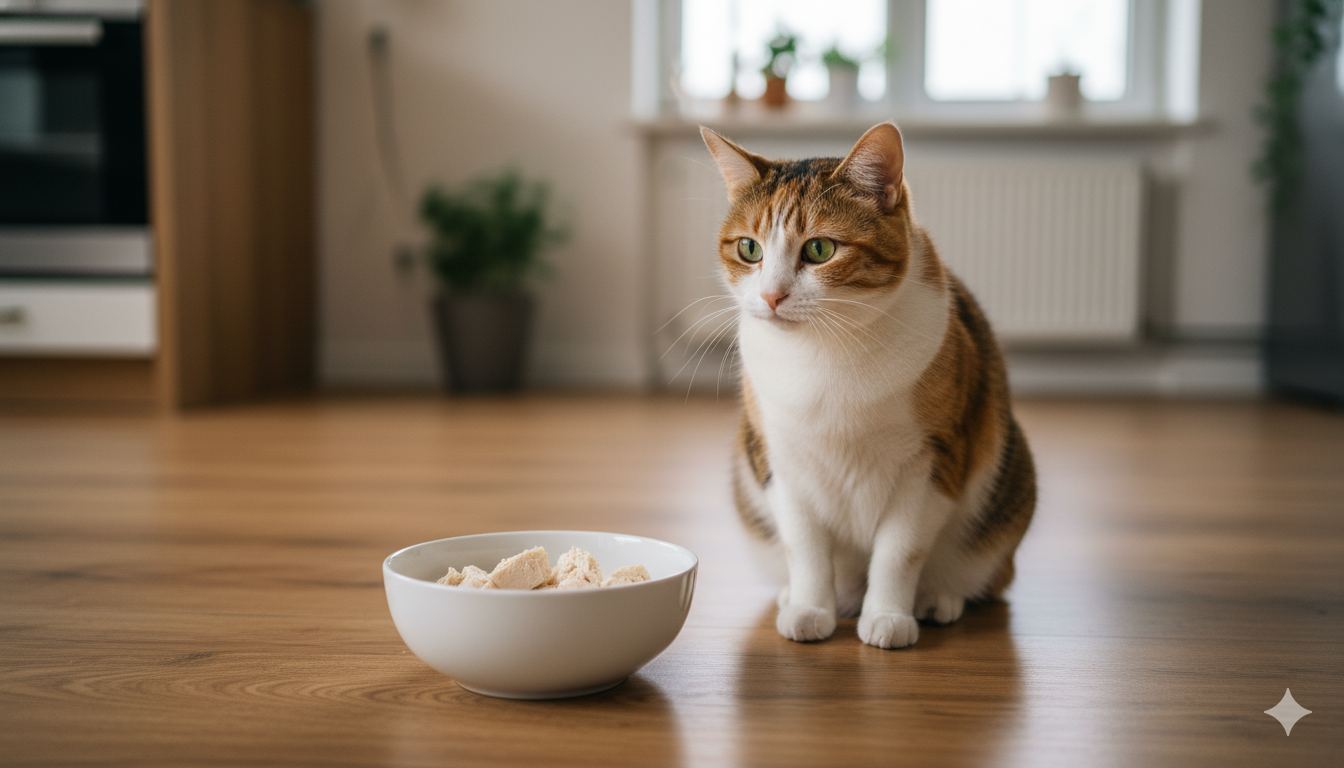
Cat Diarrhea Guide
Identifying the Type of Diarrhea
| Type | Characteristics | Possible Cause |
|---|---|---|
| Small intestinal | Watery, large volume, rarely bloody | Parasites, virus, diet |
| Large intestinal | Small, mucus/blood, frequent straining | Colitis, IBD, polyps |
| Mixed | Both characteristics | Systemic disease |
Diarrhea Requiring Immediate Emergency Care
- Bright red blood or black tarry stools (GI bleeding)
- Diarrhea 6+ times within 24 hours
- Vomiting + food refusal + lethargy
- Abdominal bloating or pain
- Kittens or senior cats with diarrhea (dehydrate quickly)
Dietary Management for Fast Recovery
Step 1: How to Transition Food
If caused by diet change, adjust the mix ratio over 7-10 days. First 3 days: 75% old + 25% new. Next 3 days: 50:50. Last 3 days: 25% old + 75% new. If diarrhea persists, stop the transition and consult a vet.
Step 2: Easily Digestible Diet
During diarrhea, an easily digestible protein-focused diet is helpful. Temporarily use prescription GI food (vet recommended) or boiled unseasoned chicken breast in small amounts. Avoid long-term home cooking due to nutritional imbalance risk. Ensure adequate hydration with wet food or fresh water.
Probiotic Guide for Cats
Probiotics help restore intestinal beneficial bacteria to normalize digestive function. They can be used as supportive therapy for diarrhea. However, probiotics play a supplementary role; infectious diarrhea or parasitic infection requires antibiotics or antiparasitic treatment first.
- Choose cat-specific products (human probiotics have different strains)
- Multi-strain products tend to be more effective than single-strain
- Products with 1 billion CFU or more are recommended
- Vet-recommended products preferred (Fortiflora, Proviable, etc.)
- Continue for 2-4 weeks after diarrhea resolves
How to Check for Dehydration
Dehydration can progress quickly during diarrhea. Skin turgor test: gently pinch and release scruff skin — immediate return is normal, slow return (1+ second) suggests dehydration. Dry or tacky gums also indicate dehydration. Visit a vet immediately if dehydration is suspected.
Sources & References
- Cornell Feline Health Center - Diarrhea in Cats
- American Veterinary Medical Association - Digestive Health
- International Cat Care - Diarrhea in Cats
⚠️ This information is educational. Seek emergency veterinary care if blood in stool, repeated vomiting, or lethargy is present.
Learn more about cat digestive health.
🥗 Use Nutrition Planner →