Are There Nutrients Unique to Cats?
Cats are "obligate carnivores," meaning they require nutrients that only animal sources can provide. Unlike dogs or humans, cats cannot synthesize certain essential amino acids, particularly taurine, which is critical for heart, eye, and kidney function.
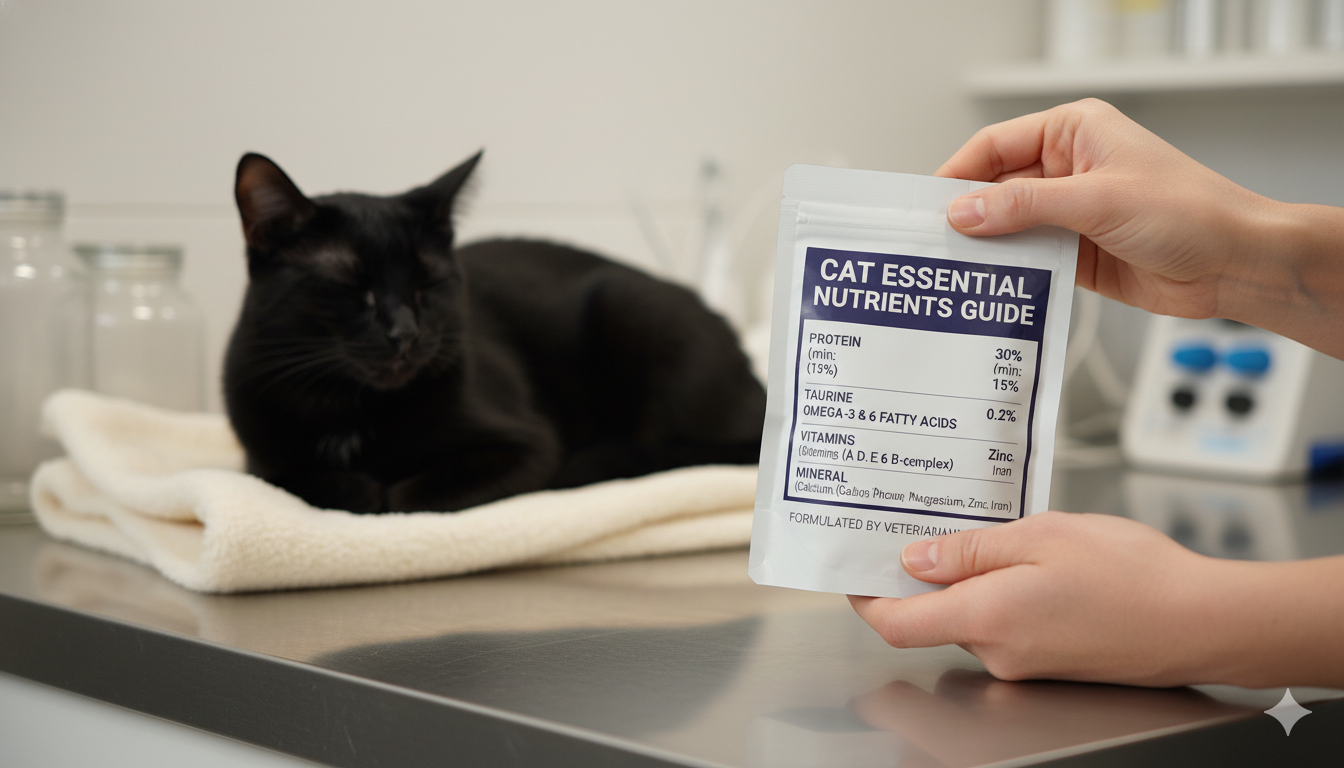
Comparison of nutritional requirements: Cats vs Dogs vs Humans
1. Taurine: The #1 Nutrient for Cats
Taurine is a sulfur-containing amino acid essential for maintaining cardiac muscle and retinal health. Deficiency leads to hypertrophic cardiomyopathy (HCM) and central retinal degeneration (CRD), both serious and potentially fatal conditions.
Taurine Requirements
- AAFCO minimum: 0.1% dry matter (dry food), 0.2% (wet food)
- Recommended: 0.2–0.3% dry, 0.3–0.5% wet
- Cats with cardiac issues may need 0.5% or higher
2. Protein: The Foundation of Muscle and Immunity
Cats have exceptionally high protein requirements. Unlike other animals, cats use amino acids as a primary energy source. Low-protein diets can lead to muscle loss, weakened immunity, and kidney disease progression.
| Life Stage | AAFCO Minimum | Recommended |
|---|---|---|
| Kitten | 30% | 35–45% |
| Adult | 26% | 30–35% |
| Senior (No CKD) | 26% | 30–40% |
| Senior with CKD | Restricted | 14–18% (vet-supervised) |
3. Fat: Energy and Hormone Source
Cats digest fat efficiently and obtain most of their calories from fat content. Fat is essential for skin health, nerve development, and hormone production. However, excessive fat can lead to obesity, so balance is key.
Omega-3 and Omega-6 Fatty Acids
- Omega-6: Skin/coat health, inflammation control (arachidonic acid is essential)
- Omega-3: Brain development, anti-inflammatory, cardiac health (EPA & DHA)
- No official Omega-6:Omega-3 ratio standard for cats (not set by AAFCO/FEDIAF). Meeting minimum levels of each fatty acid is more important.
4. Vitamins and Minerals: Supporting Overall Health
| Nutrient | Key Role | Deficiency Signs |
|---|---|---|
| Vitamin A | Vision, immunity, reproduction | Night blindness, skin issues |
| Vitamin B12 | Nerve function, energy | Neuropathy, anemia |
| Calcium/Phosphorus | Bone health, kidney function | Weak bones, CKD progression |
| Magnesium | Muscle, nerve function | Urolithiasis, seizures |
| Zinc | Immunity, skin healing | Weak immunity, hair loss |
5. Water: The Key to Kidney Health
Water content in food is a vital nutritional factor. Dry food contains <10% moisture while wet food is 75–80% water. For kidney disease prevention, high-moisture, low-magnesium diets are recommended.
Food Selection Checklist
- ✓ AAFCO certification (Complete & Balanced)
- ✓ Taurine ≥0.2% (dry), ≥0.3% (wet)
- ✓ Protein ≥30% dry (unless CKD)
- ✓ Magnesium ≤0.08% (urinary health)
- ✓ Primary ingredient is meat-based protein
References
- AAFCO - Pet Food Nutrient Profiles
- Hill's Pet Nutrition - Feline Nutrition Guide
Curious about the exact calorie and food amount your cat needs? Use our Weight Calculator.
⚖️ Use Weight Calculator →