Cats evolved from desert dwellers capable of surviving on minimal water, but this trait has become a vulnerability for modern domestic cats, leading to chronic kidney disease and urinary stones. Adequate hydration is the cornerstone of feline health. This guide explores scientifically-backed strategies to encourage even the most water-averse cats to drink more.
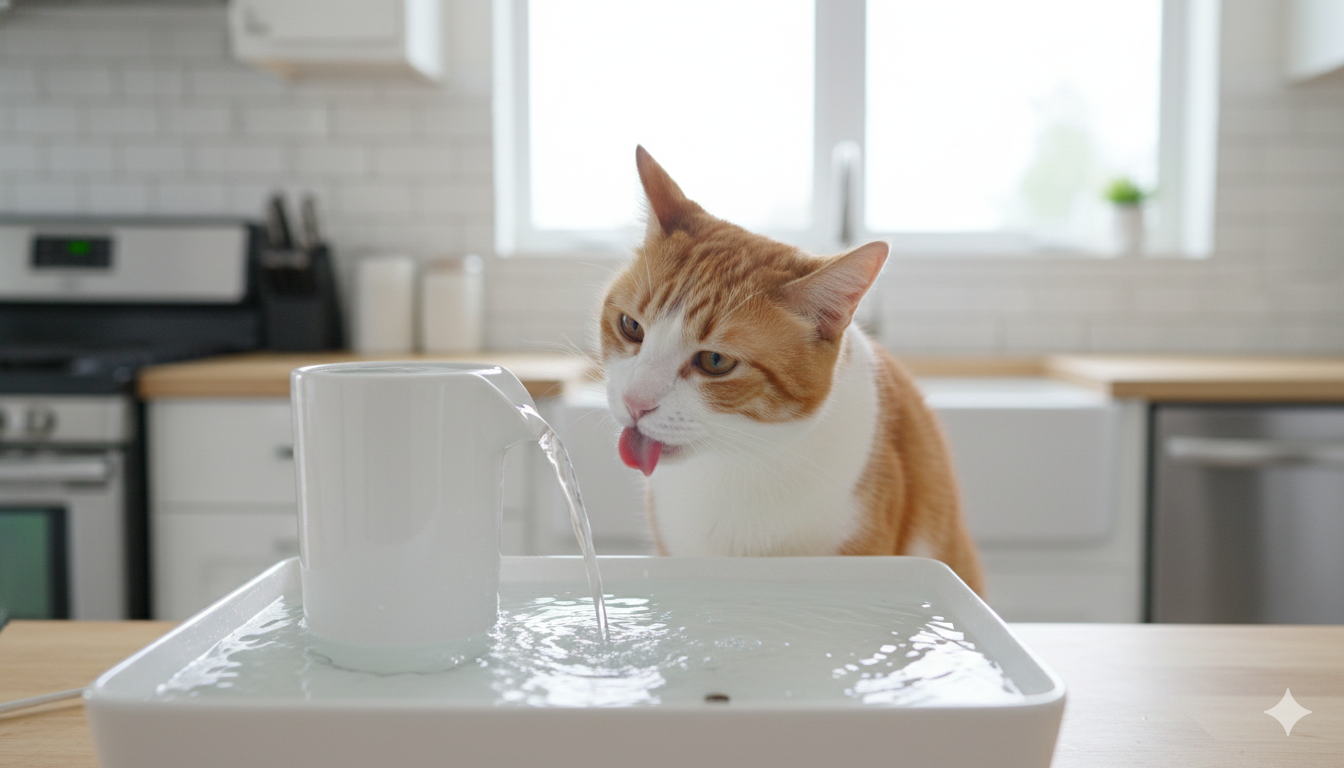
A cat drinking fresh water
Tip 1: Multiple Locations and Strategic Placement
Cats instinctively avoid water near their food source, fearing contamination. Place water bowls at least 2 feet away from food dishes. Additionally, scattering multiple bowls throughout the house ensures that fresh water is always within reach as they move about their territory.
Tip 2: Utilize Flowing Water (Fountains)
Many cats perceive running water as fresher and safer than still water in a bowl. Using a pet fountain can pique their curiosity and increase water consumption by as much as 20–30%.
Tip 3: Diverse Bowl Materials and Shapes
Cats often suffer from "whisker fatigue" when their sensitive whiskers touch the sides of a bowl. Opt for wide, shallow bowls made of ceramic or glass. Avoid plastic, as micro-scratches can trap bacteria and cause feline acne.
| Type | Pros | Cons |
|---|---|---|
| Standard Bowl | Easy to clean, silent | Needs frequent changes |
| Pet Fountain | Great for increasing intake | Filter costs, motor noise |
| Faucets | Cats love running water | Requires owner action |
Tip 4: Increase Wet Food Content
The most effective way to ensure hydration is through diet. While dry kibble contains less than 10% water, wet food is 75–80% moisture. Replacing just one meal a day with wet food or adding a bit of water to their meals can dramatically improve hydration levels.
References
- International Cat Care - Drinking and Water Stations
- AVMA - Pet Hydration and Kidney Function
Want to know exactly how much water your cat needs? Try our Water Intake Calculator.
💧 Use Water Calculator →