What is Feline Chronic Kidney Disease (CKD)?
Chronic Kidney Disease (CKD) is one of the most common conditions in cats, especially in cats over 10 years old. Kidney function gradually declines, preventing the body from removing toxic substances properly. While CKD is irreversible, early detection and proper management can slow progression and maintain quality of life. It's estimated that 30-50% of cats develop CKD in their lifetime.
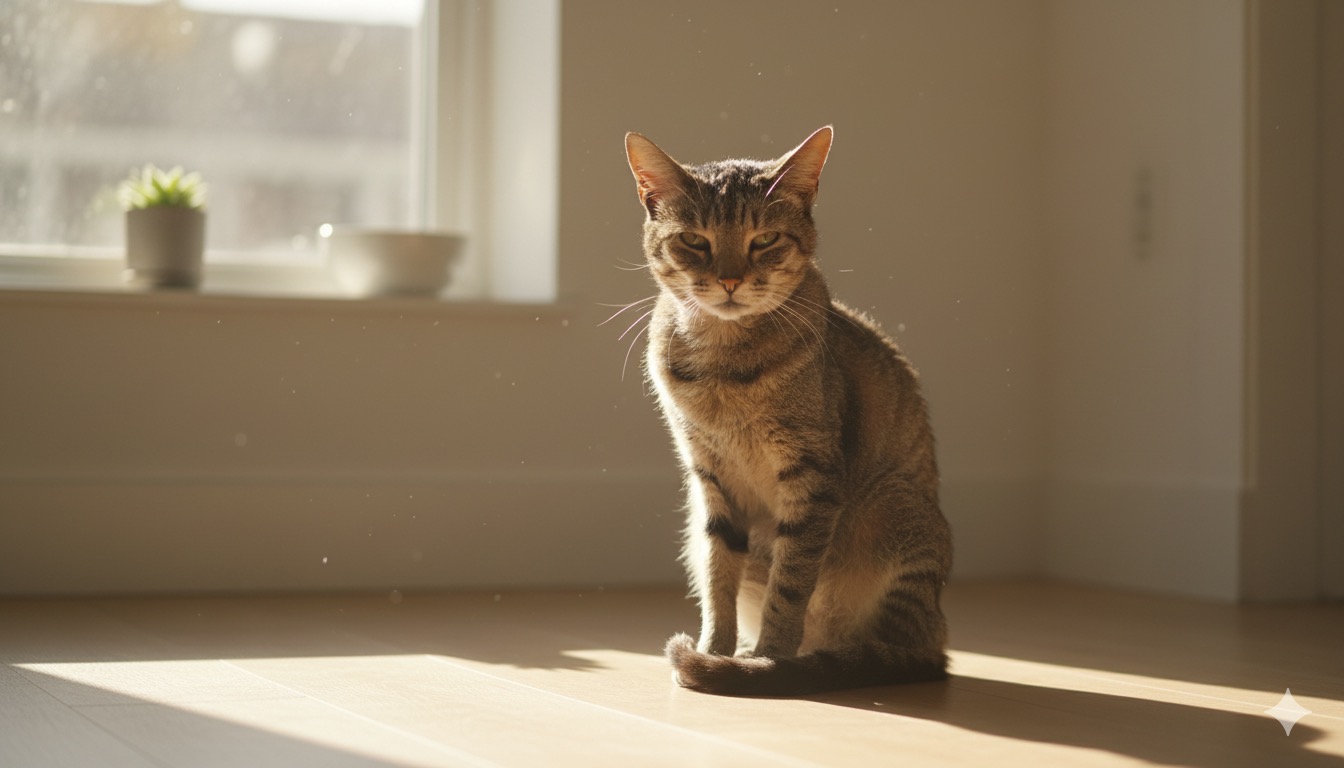
Chronic Kidney Disease
Causes of CKD
Causes of feline CKD are varied: chronic infections, high blood pressure, genetic predisposition, toxin exposure, and low water intake. Cats are naturally predisposed to kidney problems. Certain breeds (Maine Coons, Siamese) are more genetically susceptible. Adequate water intake and regular veterinary checkups are important for prevention.
Early Signs of CKD
- Increased water consumption (excessive drinking)
- Increased urination (more frequent litter box use)
- Weight loss (progressive and unexplained)
- Loss of appetite or picky eating
- Lethargy and decreased activity
- Vomiting (in advanced stages)
- Bad breath (uremic odor)
- Dull or poor coat quality
Diagnosis of CKD
CKD is diagnosed through blood and urine tests. Key indicators are elevated creatinine and BUN (Blood Urea Nitrogen). The International Renal Interest Society (IRIS) classifies CKD into 4 stages based on creatinine levels. Blood pressure measurement and protein in urine testing are important. Kidney ultrasound shows structural changes. Annual blood tests twice yearly are recommended for cats over 10 years old.
Treatment and Management of CKD
- Kidney diet: Feed low-protein, low-phosphorus, low-sodium specialized food. This slows kidney decline.
- Increase water intake: Provide wet food, use water fountains, ensure adequate water availability.
- Blood pressure management: Use antihypertensive medications (calcium channel blockers) if needed.
- Phosphorus management: Give phosphate binders to lower serum phosphorus.
- Vomiting control: Use anti-emetics to manage nausea.
- Anemia treatment: Iron supplements or erythropoietin if needed.
- Regular monitoring: Blood tests every 3-6 months to track kidney function.
Daily Care for CKD Cats
CKD cats need a stress-free, comfortable environment. Place litter boxes, water, and food in easy-to-access locations. Avoid environments with many stairs. Provide warm, comfortable resting spaces. Administer medications on schedule and follow veterinary instructions carefully. Encourage water intake and provide wet food to increase hydration.
Sources & References
- Cornell Feline Health Center - Feline CKD Management
- American Veterinary Medical Association - Kidney Disease Diagnosis and Treatment
- IRIS (International Renal Interest Society) - CKD Staging Guidelines
- PetMD - Cat Kidney Disease Symptoms and Management
- International Cat Care - Senior Cat Management
Important Medical Disclaimer
⚠️ This information is for educational purposes only. If your cat shows CKD symptoms, get veterinary diagnosis immediately. Early detection significantly improves quality of life.
Want to learn more about kidney health? Check out our other health guides.
Try Calculator →