What is Feline Urolithiasis?
Urolithiasis is the formation of mineral stones in the urinary system (kidneys, ureters, bladder, urethra). Common in cats, especially males where it can block the urethra and become life-threatening. Types include calcium oxalate, magnesium phosphate (struvite), and uric acid. Prone to recurrence, requiring long-term management and prevention.
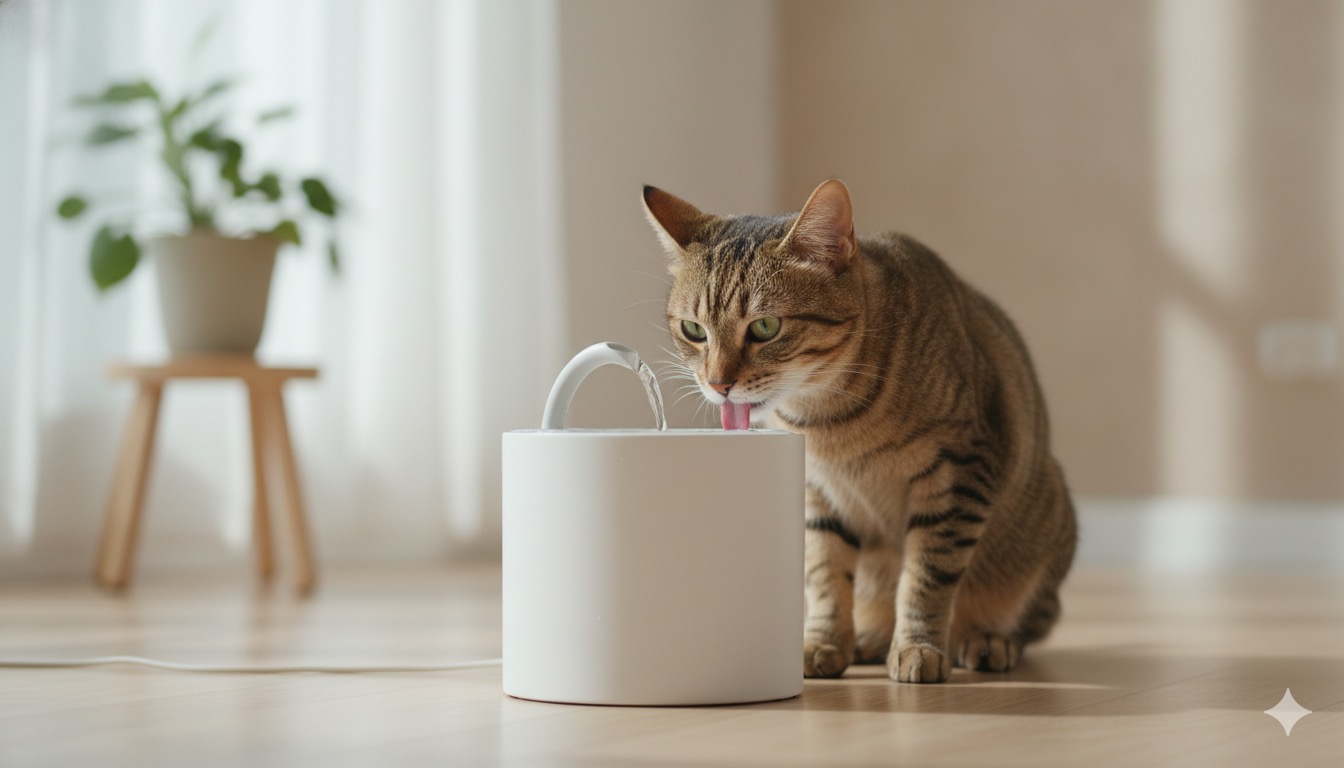
Feline Urolithiasis
Causes and Risk Factors
Causes are complex and multifactorial: (1) Low water intake, especially with dry food only. (2) Urine pH imbalance - acidic urine causes calcium oxalate stones, alkaline causes struvite stones. (3) Mineral-rich diet. (4) Kidney dysfunction. (5) Obesity. (6) Stress and poor litter box environment. (7) Genetic predisposition. Males have higher blockage risk than females.
Symptoms of Urolithiasis
- Frequent urination (frequent litter box visits)
- Painful urination (straining or crying)
- Blood in urine (hematuria)
- Decreased urine output or blockage (emergency)
- Urinating outside the litter box (inappropriate elimination)
- Lethargy
- Loss of appetite
- Abdominal pain (hunched posture)
- Vomiting and lethargy if blocked (emergency)
Emergency: Urinary Obstruction
Complete urethral blockage in male cats is a life-threatening emergency. Urine backs up in the bladder, causing toxic buildup leading to kidney failure, hyperkalemia, and heart arrhythmias. Without treatment, death can occur within 24-48 hours. Emergency symptoms: inability to urinate, severe crying, vomiting, lethargy, seizures, unconsciousness. Seek emergency care immediately.
Diagnosis of Urolithiasis
Diagnosis includes urinalysis, blood tests, and abdominal ultrasound or X-ray. Urinalysis shows blood, crystals, white blood cells, and protein. Ultrasound directly visualizes bladder stones or debris. X-rays may not show all stone types. Analyzing recovered stones identifies the type. For suspected obstruction, ultrasound assesses kidney and bladder enlargement to evaluate kidney injury.
Treatment of Urolithiasis
- Emergency blockage relief: Catheterization to restore urine flow if blocked. This is emergency care.
- Fluid therapy: IV or subcutaneous fluids to support kidney function and help dissolve stones.
- Pain relief and anti-inflammatories: Manage pain and inflammation.
- Antibiotics: Prevent or treat infection.
- Diet management: Prescription diet based on stone type. Struvite stones need acidifying diet, calcium oxalate need calcium-restricted diet.
- Increase water intake: Adequate water dilutes urine.
- Surgery: May be needed if medication cannot dissolve stones.
Prevention of Urolithiasis
- Adequate water intake: Most effective prevention. Use water fountains, provide wet food, place multiple bowls.
- Proper diet: Recurrent stone cats need prescription diet (pH-adjusted, mineral-restricted).
- Regular urinalysis: Detect crystal formation early.
- Stress management: Provide clean litter box, quiet space, adequate water.
- Weight management: Obese cats have higher risk; maintain healthy weight.
- Regular vet checkups: Especially for cats with recurrent stones, check every 3-6 months.
Sources & References
- Cornell Feline Health Center - Feline Urinary Disease
- American Veterinary Medical Association - Urinary Disease Management
- PetMD - Feline Urinary Stones Treatment
- International Cat Care - Feline Urinary Health
- ASPCA - Urinary Obstruction Emergency Care
Important Medical Disclaimer
⚠️ Urolithiasis can become an emergency. If you see signs of difficult urination, blood in urine, or inability to urinate, seek immediate veterinary care. This information is educational only and does not replace professional diagnosis.
Want to learn more about cat urinary health? Check out our other health guides.
Try Calculator →