What is Feline Periodontal Disease?
Periodontal disease is inflammation of gums, ligaments, and bone around teeth. Over 90% of cats over 3 years have some degree of the disease. It's especially severe in cats over 10. Left untreated, bacteria can enter bloodstream and damage heart, kidneys, and liver. Prevention and early treatment are essential.
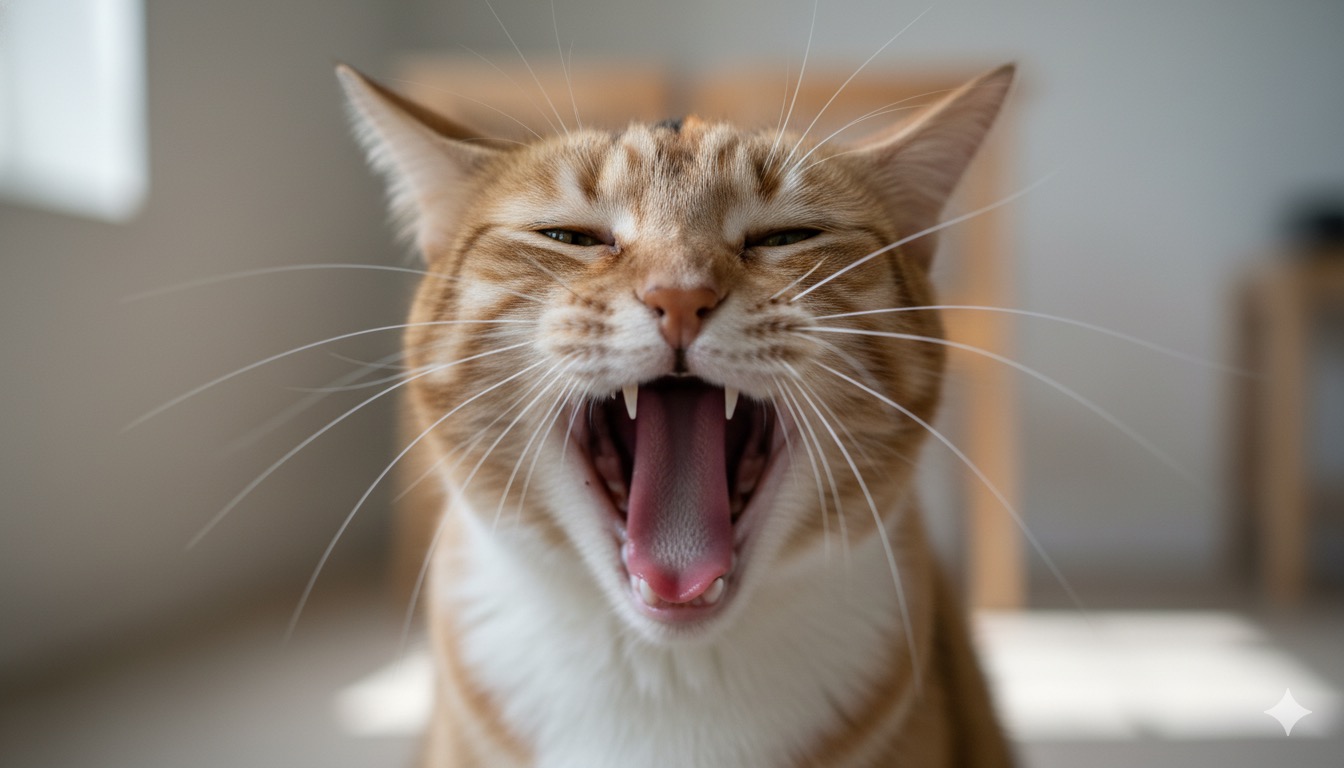
Periodontal Disease
Causes of Periodontal Disease
Main causes are plaque and tartar accumulation on teeth. Plaque contains bacteria and food debris, hardening into tartar over time. Cats naturally have lower saliva production than dogs, reducing natural tooth cleaning. Genetic factors, age, immune dysfunction, and systemic diseases (diabetes, kidney disease) increase risk. Cats eating mostly wet food have higher risk than those eating dry food.
Symptoms of Periodontal Disease
- Bad breath (most common symptom)
- Yellow or brown tartar on teeth
- Swollen or red gums
- Bleeding gums
- Difficulty eating or dropping food
- Drooling
- Loose or missing teeth
- Facial swelling (severe cases)
- Decreased interest in food
Diagnosis of Periodontal Disease
Diagnosis is primarily visual examination. Veterinarians assess teeth and gums for tartar, swelling, and bleeding. Dental X-rays are necessary for accurate assessment and treatment planning. X-rays show bone loss beneath the gums. Advanced cases require anesthetized examination and ultrasonic scaling.
Treatment of Periodontal Disease
- Scaling and root planing: Under general anesthesia, ultrasonic scaler removes tartar. Effective for early disease.
- Antibiotics: Local or systemic antibiotics to control bacterial infection.
- Pain management: Analgesics to relieve discomfort.
- Tooth extraction: Severely damaged teeth may need extraction.
- Anti-inflammatory medications: Reduce gum inflammation.
- Oral hygiene products: Tartar prevention sprays or gels.
Prevention of Periodontal Disease
- Regular dental exams: Professional checkups twice yearly detect early disease.
- Professional scaling: Regular cleaning every 1-2 years by veterinarian.
- Home oral care: Daily brushing if possible (requires training).
- Dry food diet: Dry food more effective for natural cleaning than wet food.
- Tartar-control sprays: Add to water for additional prevention.
- Limit sugary foods: Restrict treats high in sugar or fat.
Complications of Periodontal Disease
Untreated periodontal disease can cause serious complications. Oral bacteria can enter bloodstream and cause infections in heart (endocarditis), kidneys, and liver. Can also cause jaw bone damage, osteomyelitis, facial abscesses, or jaw fractures. Prevention and early detection are crucial.
Sources & References
- Cornell Feline Health Center - Feline Dental Health
- American Veterinary Medical Association - Oral Health Guidelines
- PetMD - Feline Oral Disease
- International Cat Care - Feline Oral Care
- ASPCA - Cat Dental Hygiene
Important Medical Disclaimer
⚠️ This information is for educational purposes only. If your cat has bad breath or visible tooth problems, consult a veterinarian. Early treatment prevents tooth loss and complications.
Want to learn more about cat oral health? Check out our other health guides.
Try Calculator →