What is Feline Herpesvirus (Cat Flu)?
Feline Herpesvirus-1 (FHV-1) is the most common respiratory virus in cats, also called "cat flu." It causes severe disease in young, elderly, stressed, or immunocompromised cats. Once infected, the virus hides in nerve tissue for life and can reactivate with stress or immunity decline. Most cats recover with proper treatment, but some develop chronic eye disease or respiratory problems.
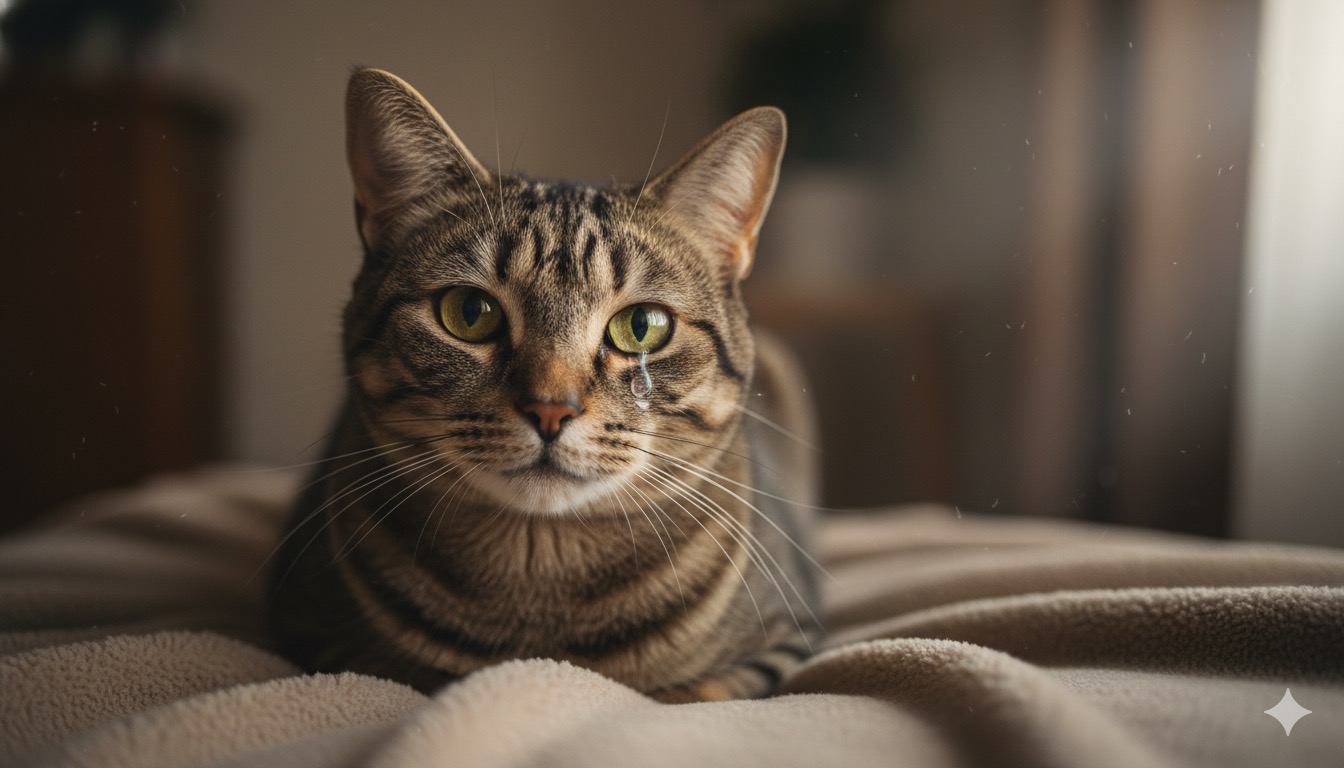
Feline Herpesvirus
Causes and Transmission of Herpesvirus
Herpesvirus spreads through eye discharge, nasal secretions, saliva, and sneezes of infected cats. Indirect transmission occurs through contaminated food bowls, water, toys, and bedding. While the virus is relatively weak in the environment, it spreads rapidly in indoor multi-cat homes, cat cafes, and boarding facilities. Eye discharge is most contagious.
Common Symptoms of Herpesvirus
- Nasal discharge and congestion
- Sneezing (frequent and intense)
- Eye discharge and light sensitivity (conjunctivitis)
- Drooling and mouth ulcers (severe cases)
- Loss of appetite (due to lack of smell)
- Fever
- Lethargy
- Conjunctivitis and keratitis (eye disease)
Diagnosis of Herpesvirus
Diagnosis is primarily based on clinical symptoms. Veterinarians examine eyes, nose, and mouth. PCR testing can detect the virus directly, or viral culture may be performed on eye discharge samples. Blood tests can check for antibodies, though most infected cats have them regardless of current infection status.
Treatment of Herpesvirus
- Antiviral medications: Acyclovir or famciclovir to inhibit viral replication.
- Eye drops: Antibiotic eye drops for infected eyes, applied regularly.
- Nasal care: Gently clear nasal discharge with warm water.
- Nutritional support: Offer aromatic or warm food to stimulate appetite.
- Fluid support: Wet food or assisted feeding to maintain hydration.
- L-lysine supplements: May support immunity (though effectiveness is debated).
- Prevent secondary infection: Antibiotics if needed.
Managing Herpesvirus Recurrence
Infected cats carry the virus for life and can have recurrences with stress, illness, or immunity decline. To prevent recurrence: (1) Minimize stress with quiet environment. (2) Regular preventive medications like famciclovir. (3) Strengthen immunity through good nutrition and exercise. (4) Regular checkups for early detection. Annual booster vaccinations reduce recurrence risk.
Prevention of Herpesvirus
- Vaccination: Most effective method. Kittens start at 6-8 weeks with 2-3 doses 3-4 weeks apart, then annual boosters.
- Isolation: Keep infected cats separate from others.
- Hygiene: Wash hands frequently and regularly disinfect bowls and bedding.
- Stress management: Reduce stress to strengthen immunity and prevent infection.
- Note: Vaccinated cats can still be infected, but symptoms are milder and shorter.
Sources & References
- Cornell Feline Health Center - Feline Herpesvirus Information
- American Veterinary Medical Association - Respiratory Disease Prevention
- PetMD - Cat Flu Symptoms and Treatment
- International Cat Care - Feline Respiratory Infections
- ASPCA - Cat Eye Health Guide
Important Medical Disclaimer
⚠️ This information is for educational purposes only. If your cat shows respiratory symptoms, consult a veterinarian. Early treatment prevents complications.
Want to learn more about cat respiratory health? Check out our other health guides.
Try Calculator →