What is Feline Pancreatitis?
Pancreatitis is inflammation of the pancreas. In cats, it often progresses chronically with subtle symptoms, making diagnosis difficult. Severe cases can become life-threatening acute pancreatitis. Cats often develop pancreatitis simultaneously with inflammatory bowel disease (IBD) or cholecystitis, called "triaditis."
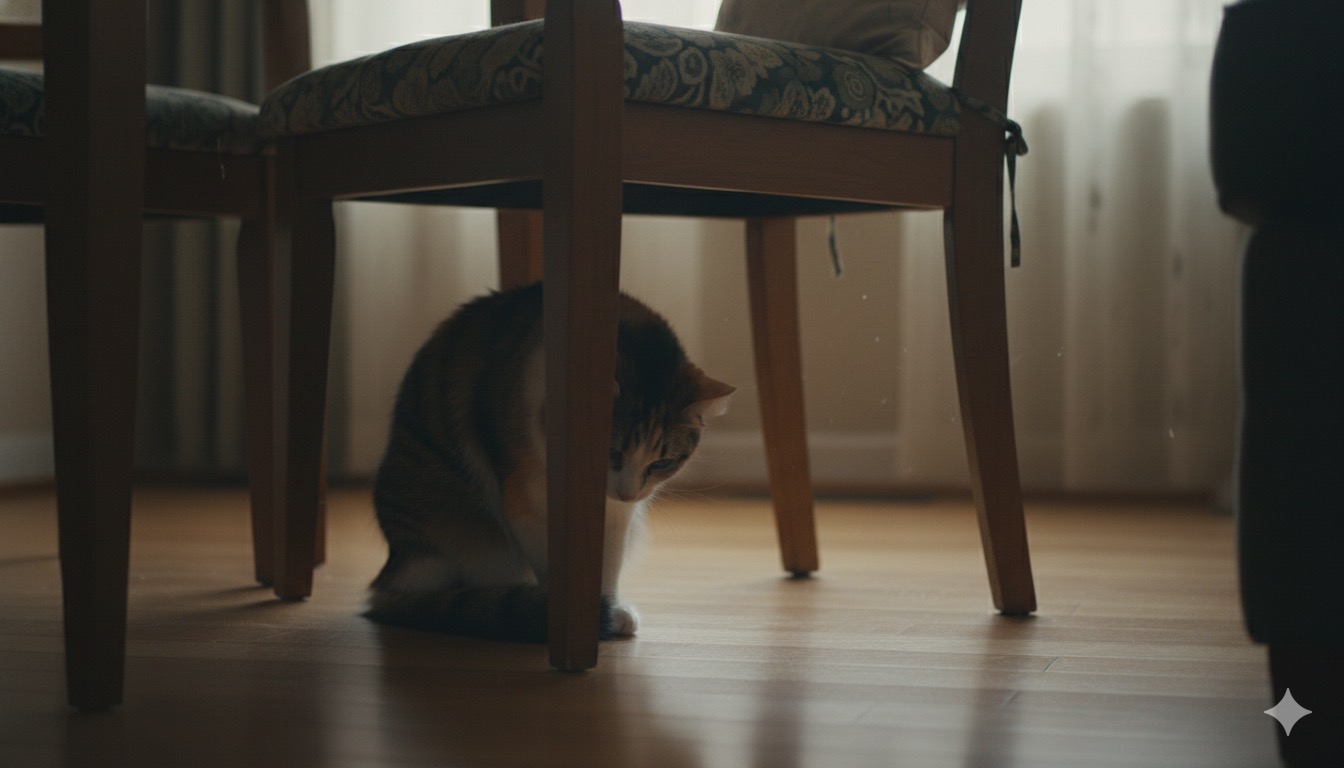
Feline Pancreatitis
Causes of Feline Pancreatitis
The exact cause of feline pancreatitis is often unclear. Risk factors include high-fat diet, inflammatory bowel disease, gallbladder disease, infections (toxoplasmosis, FIP), trauma, certain medications, obesity, and diabetes. Stress and immune dysfunction may also play roles.
Symptoms of Feline Pancreatitis
- Lethargy and decreased activity (most common)
- Loss of appetite or complete anorexia
- Vomiting (intermittent or persistent)
- Abnormal bowel movements (diarrhea or constipation)
- Weight loss
- Abdominal pain (hunched posture)
- Signs of dehydration
- Jaundice (severe cases)
Diagnosis of Feline Pancreatitis
Diagnosis combines clinical symptoms, blood tests, and abdominal ultrasound. Blood tests show elevated lipase, amylase, and alkaline phosphatase. Feline pancreatic lipase (fPLI) test is very useful for diagnosis. Ultrasound directly visualizes pancreatic changes. However, chronic pancreatitis may show normal blood values, so clinical symptoms are important.
Treatment of Feline Pancreatitis
- Fasting: 24-48 hours of fasting initially to reduce pancreatic stress.
- Fluid therapy: IV or subcutaneous fluids to correct dehydration.
- Pain management: Analgesics for abdominal pain relief.
- Anti-emetics: Control vomiting.
- Low-fat diet: Switch to low-fat food during recovery.
- Antibiotics: Prevent secondary infection if needed.
- Treat underlying causes: Manage IBD, diabetes, or other conditions.
Long-term Management of Feline Pancreatitis
Chronic pancreatitis requires lifelong management. Most important is maintaining low-fat diet (fat content under 10%). Monitor with blood tests every 3-6 months and repeat ultrasounds as needed. Minimize stress and provide comfortable environment. Through diet, medications, and stress management, symptoms can be controlled and quality of life maintained.
Sources & References
- Cornell Feline Health Center - Feline Pancreatitis Information
- American Veterinary Medical Association - Pancreatic Disease Management
- PetMD - Feline Pancreatitis Symptoms and Treatment
- International Cat Care - Feline Digestive Disease
- ASPCA - Pancreatic Health Guide
Important Medical Disclaimer
⚠️ This information is for educational purposes only. If your cat shows digestive symptoms, consult a veterinarian. Early detection of chronic conditions significantly improves prognosis.
Want to learn more about cat digestive health? Check out our other health guides.
Try Calculator →