What is Feline Panleukopenia (FPV)?
Feline Panleukopenia (FPV) is an extremely contagious viral disease in cats. It causes low white blood cells, low platelets, and intestinal damage. Kittens and unvaccinated cats are at highest risk. The virus has high environmental resistance and can survive on contaminated objects for years.
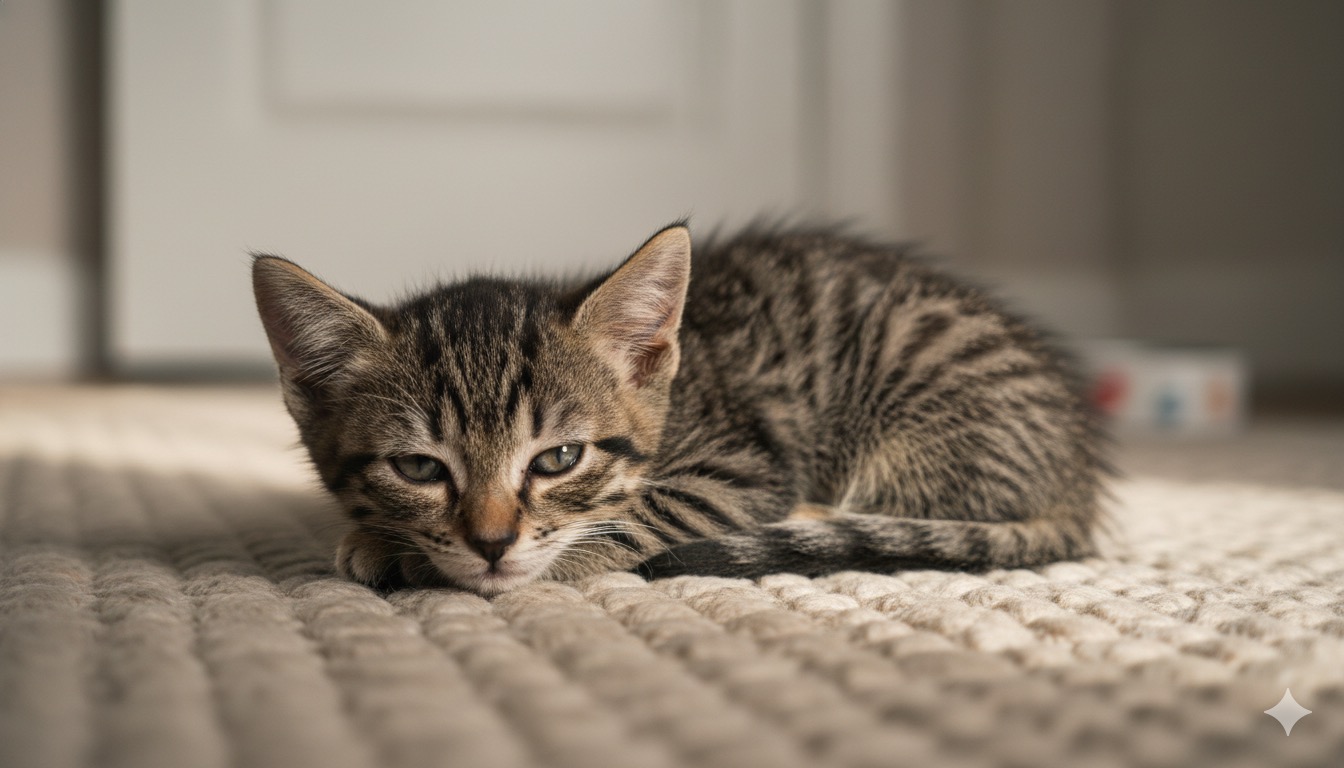
Feline Panleukopenia
Causes and Transmission of FPV
FPV is caused by feline panleukopenia virus. It spreads mainly through bodily fluids (feces, vomit, saliva) of infected cats. Indirect transmission occurs through contaminated food bowls, litter boxes, clothing, and other objects. The virus is resistant to stomach acid and quickly infects intestinal tissue.
Common Symptoms of FPV
- Sudden high fever (over 39.5℃)
- Severe lethargy and decreased activity
- Loss of appetite and refusal to eat
- Repeated vomiting and diarrhea
- Abdominal pain (hunched posture)
- Severe dehydration and electrolyte imbalance
- Yellow or grayish diarrhea (may contain blood)
Diagnosis of FPV
Veterinarians diagnose FPV through blood tests showing severely low white blood cell counts (usually below 1,000/μL). ELISA or PCR tests can directly detect the virus. Abdominal ultrasound assesses intestinal damage and helps determine treatment prognosis.
Treatment for FPV
There is no specific antiviral treatment for FPV. Treatment focuses on supportive care: aggressive intravenous fluid therapy, electrolyte supplementation, antibiotics (prevent secondary infection), anticoagulants (if needed), nutritional support (feeding tubes), anti-emetics, and pain relief. Blood transfusions may be necessary in severe cases. Treatment typically lasts 7-10 days, with recovery time depending on age and infection severity.
Prevention of FPV
- Vaccination: The most effective method. Kittens start at 6-8 weeks with 2-3 doses given 3-4 weeks apart, then annual boosters.
- Indoor housing: Minimize contact with infected cats and animals.
- Hygiene: Regular environmental disinfection (bleach solution), frequent litter changes, daily cleaning of food/water bowls.
- Isolation: Separate infected cats immediately with their own litter box and food bowls.
- Hand hygiene: Wash hands thoroughly with soap and water after handling infected cats.
Managing FPV-Infected Cats
FPV-infected cats can shed the virus for up to 6 weeks even after recovery. Infected cats must be kept in completely isolated spaces. Monitor recovery with regular blood tests and observe appetite and weight gain. After recovery, intestinal damage may persist, so easily digestible food is recommended.
Sources & References
- Cornell Feline Health Center - Feline Panleukopenia Information
- American Veterinary Medical Association (AVMA) - Feline Infectious Disease Management
- PetMD - FPV Symptoms and Treatment
- International Cat Care - Feline Disease Prevention Guide
- ASPCA - Emergency Feline Disease Information
Important Medical Disclaimer
⚠️ This information is for educational purposes only. If your cat shows FPV symptoms, consult a veterinarian immediately. Early diagnosis and proper treatment significantly improve survival rates. Seek emergency veterinary care if symptoms are severe.
Want to learn more about cat health? Check out our other health guides. Prevention is the best medicine.
Try Calculator →